Mar 2, 2020 | Botswana News, Coronavirus Content
April 1, 2020: Updated information on coronavirus infections and your safari vacation in Botswana.
Disclaimer: We are not doctors, nor are we medical professionals. We are not offering advice or telling you what you should or should not do. If you are at all concerned about your health and safety, you need to do what is best for you and your family. And you should always consult a medical professional with any questions or concerns before planning your safari vacation in Botswana.
That being said, we do want to address traveling with the coronavirus outbreak, including what you need to know about Africa—particularly Botswana. Information is continuing to change at a rapid pace. Every day or two, we are gaining more insight into the COVID-19 pandemic and how it’s affecting Botswana. We will try to keep this post updated weekly, so you have the latest information.
(more…)
Dec 8, 2019 | Behind the Scenes, Botswana News, Brave Africa Safari, Conservation
The past two months have been hectic at Brave Africa safari. After our first official safari launch in September, our team hasn’t had a moment to relax. Instead, we’ve focused on building deeper relationships throughout the safari and travel industry, including attending BTTE (Botswana Travel & Tourism Expo).
The great news is that we have an incredible team of individuals who have worked tirelessly to make this possible. They’ve given 1000% of themselves to meet new people, rekindle existing relationships, and introduce Brave Africa as the new ultra-luxury mobile safari to book in 2020 and beyond.
Here’s a little bit about what we’ve been up to during this exciting time behind the scenes with Brave Africa safari.
Giving Back to the Community
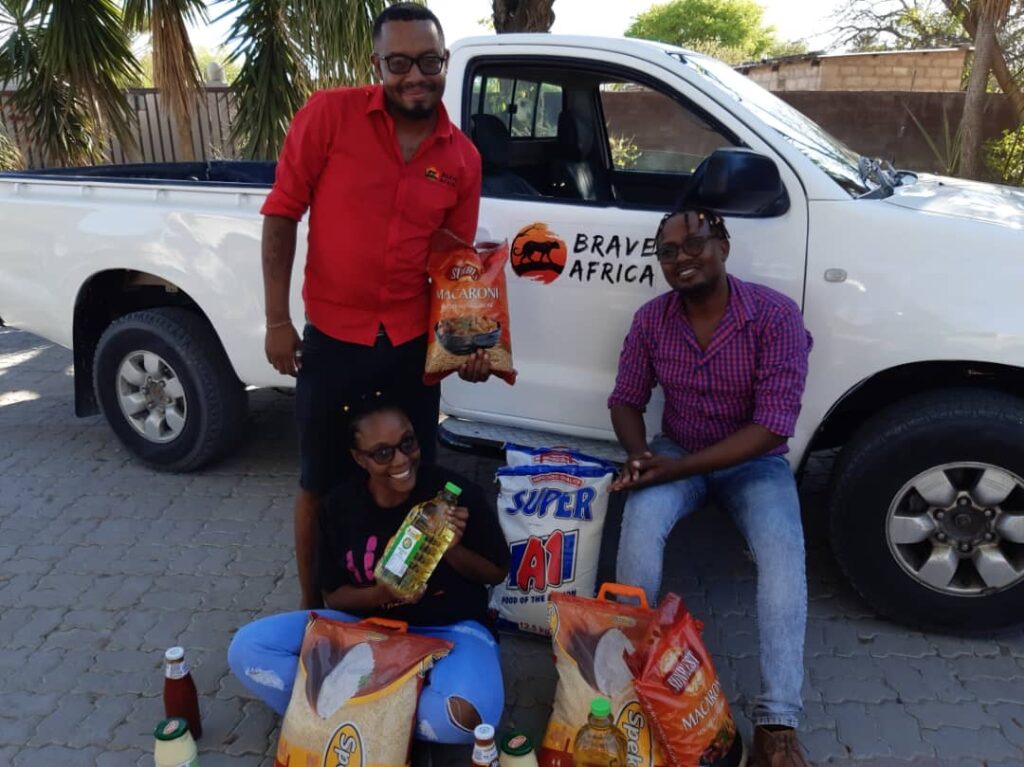
Brave Africa’s guides, Wina and Moses, dropping off food items to Safari Destinations.
In November, we had the opportunity to start giving back to the Botswana community. This is a huge piece of who we are and what we believe in. We do not want to be just another safari focused on making money and moving tourists in and out of the country. We want to make a difference not only for the wildlife but also for the Botswanan people.
We plan to do this moving forward by donating $5 a day from every guest’s trip with us to various conservation and community charities. Our team is currently doing extensive research to find the best non-profits to give to, and we’ll have that list available soon. However, we already had the opportunity to help the elderly population in Maun, and we’re so glad we got to participate.
Safari Destinations, one of Botswana’s premier travel agencies, held an annual charity drive to collect needed items for older individuals within the Maun community who require assistance. Our team got together and purchased massive bags of food goods to do our part.
For our Brave Africa safari staff—all of whom are Botswanan natives—taking care of your elders is the responsibility of the community. They shared with us funny stories of being kids and being charged with walking to the store for an elder to purchase their groceries, whether they were related to the individual or knew the individual well or not. Participating in this charity event made a lot of sense and was special to our team.
A Trip to Victoria Falls
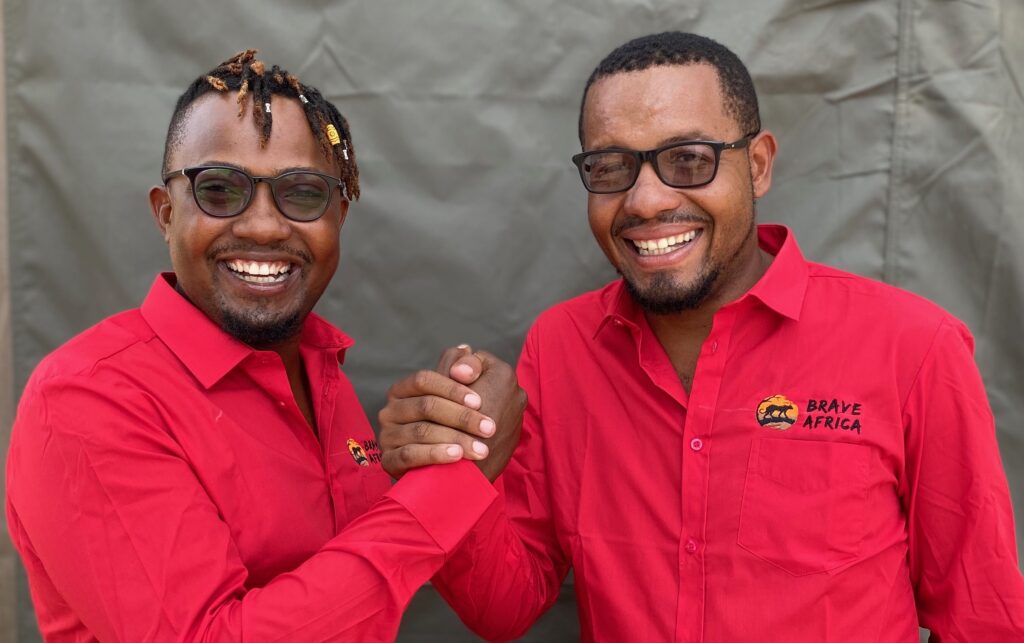
Tabona Wina (left) and Moses Teko (right)
The following week in November, our team headed up to Zimbabwe and Victoria Falls to meet with travel agencies throughout the area and start building relationships. This trip was made possible thanks to Shelley Cox at Africa Conservation Travel.
Africa Conservation Travel is a travel agency that is focused on offering safari experiences dedicated to sustainable tourism and conservation-conscious itineraries. Their mission is to create awards about protecting and conserving the wildlife and habitats during every trip.
Shelley has been an integral piece of Brave Africa safari since the very beginning. She is a good friend of our owner, Tabona Wina, and has offered our team priceless guidance. We are beyond grateful to her and her company.
Thanks to Shelley’s connections and the hard work of our team, we were able to introduce Brave Africa to other members of the safari industry. We loved getting to share our mission and vision and to tell our story to travel agencies who will help us connect with guests who share our values from around the world.
Building this base of support is critical to our eventual success and helping safari-goers discover us.
Thank you for taking the time to meet with us!
Botswana Travel & Tourism Expo (BTTE)
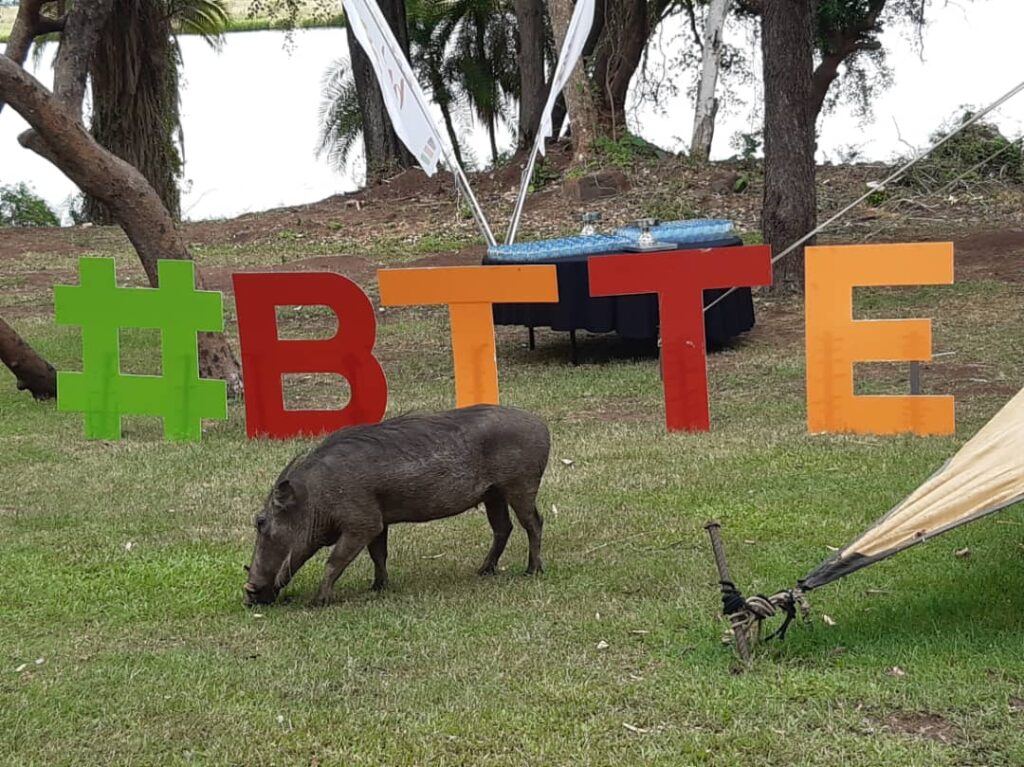
Botswana Travel & Tourism Expo
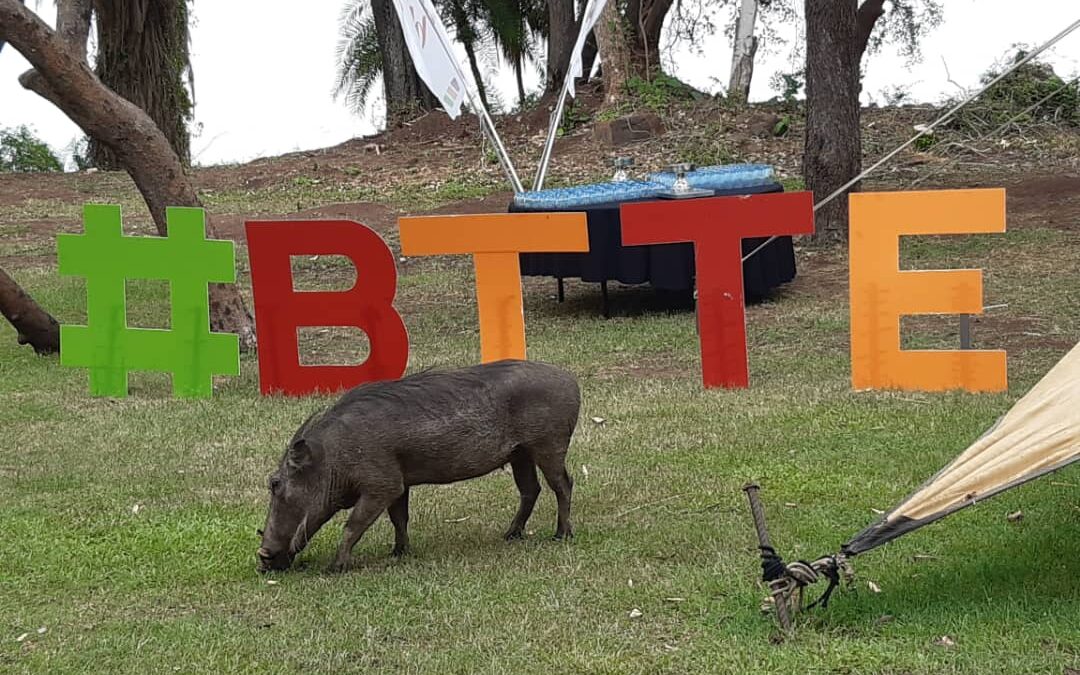
Finally, we kicked December off with a bang with Botswana’s largest travel and tourism expo: BTTE. This unique, annual event offers an opportunity for the greater European travel industry to establish relationships and business partnerships with Botswana’s tourism industry. Every safari company, travel agency, and tour operator in Botswana attends this networking event, and we were thrilled to take part!
Held December 2rd – December 6th, in Kasane, #BTTE19 was the event of the year. Over 280 exhibitors, including 140 local operators and 140 international operators from 33 countries around the world participated. Attendees came from all over, including Argentina, United Arab Emirates, Israel, and throughout Europe.

Pano of the BTTE tent
The goal of the event is to introduce the many incredible tourism opportunities available in Botswana and to demonstrate the unique manner in which the country approaches tourism. Unlike many other African countries, Botswana is dedicated to protecting the environment and the country’s natural resources as much as possible to keep tourists coming back over and over again.
For Brave Africa safari, BTTE was an opportunity to set up a booth where attendees could come up to learn more about who we are and what we offer. We also had a table for a “Business 2 Business” event where attendees had just 15 minutes to meet our team and get to know our product before they moved on. This was an inspiring, educational, and super productive session, where we established many strategic relationships.
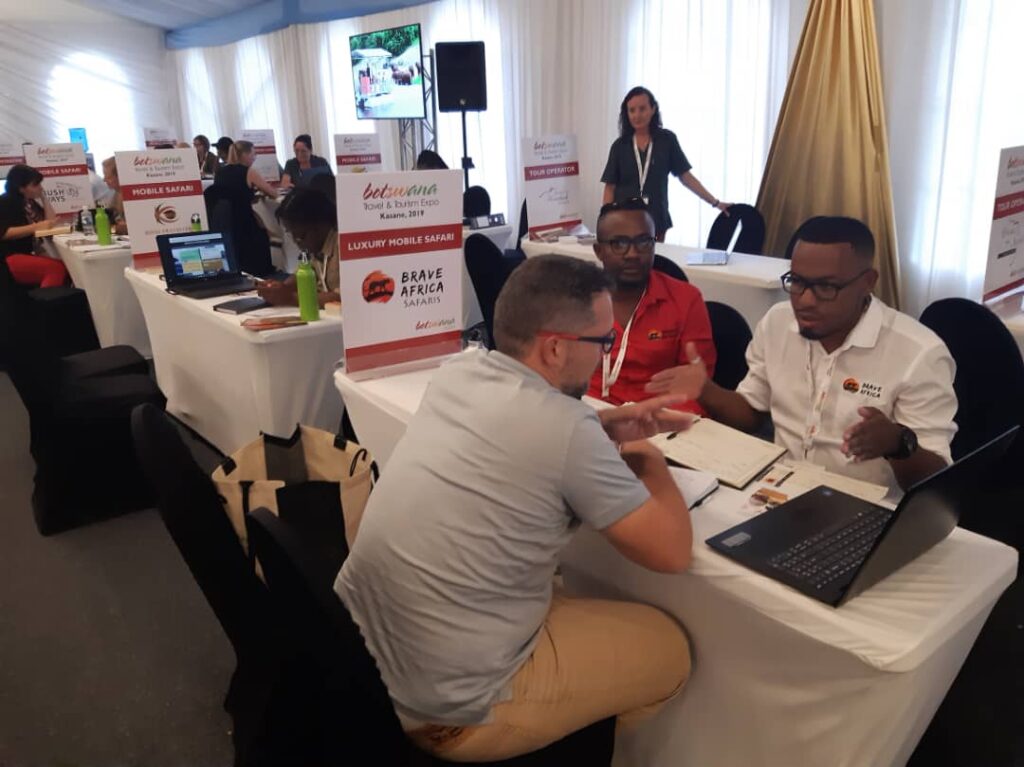
Wina & Moses during the brief Business 2 Business sessions
The week-long event included presentations from experts on the Botswana tourism industry as well as the different unique areas of Botswana. There were meet-and-greet sessions, workshops, cocktail dinners, and more. It was an exhausting week, but BTTE was a fantastic opportunity for Brave Africa to establish that we are here as part of the community and proud of it.
Next Up for Brave Africa Safari
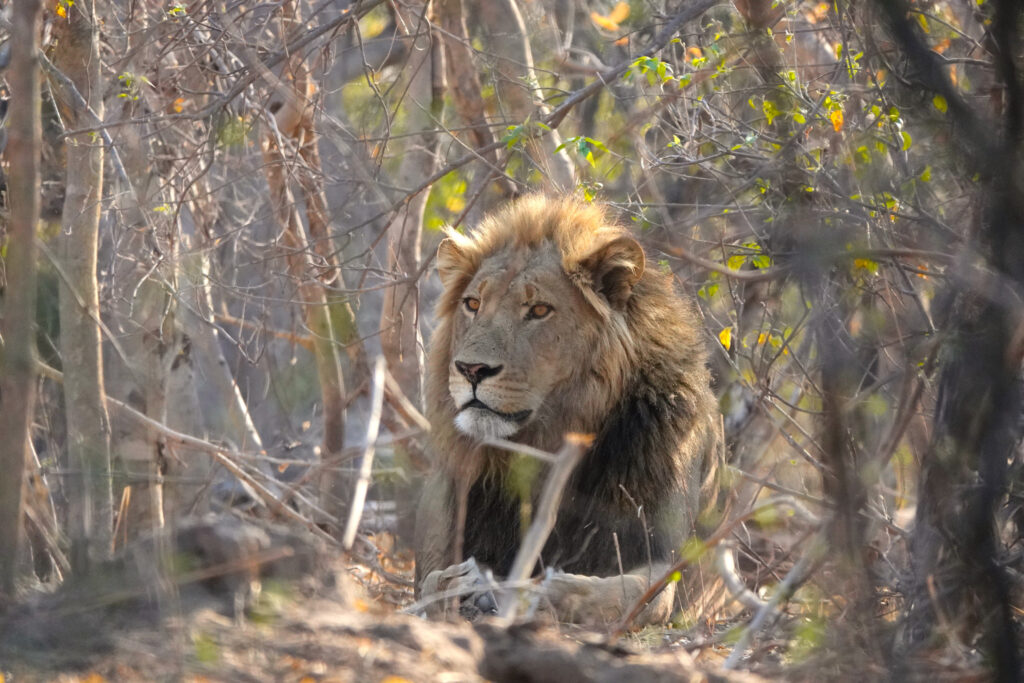
In a week, our team will be heading out into the Botswana Bush to explore a possible new Brave Africa safari itinerary—the Kalahari Desert.
This southern route will possibly be available to guests during the rainy season (December – March) when the Okavango Delta is flooded and difficult to navigate. During these months, the Kalahari is in peak season because animals are leaving the floodplains for more semi-arid regions.
December and January mark the great zebra migration in the Kalahari as well as the flamingo migration in Makgadikgadi Pan. This area is also known for its beautiful black-maned lions, brown hyena, oryx/gemsbok, and more.
We’re excited to test out this potential route for our guests in 2020, which will include:
Stay tuned to learn about our adventure in a few weeks!
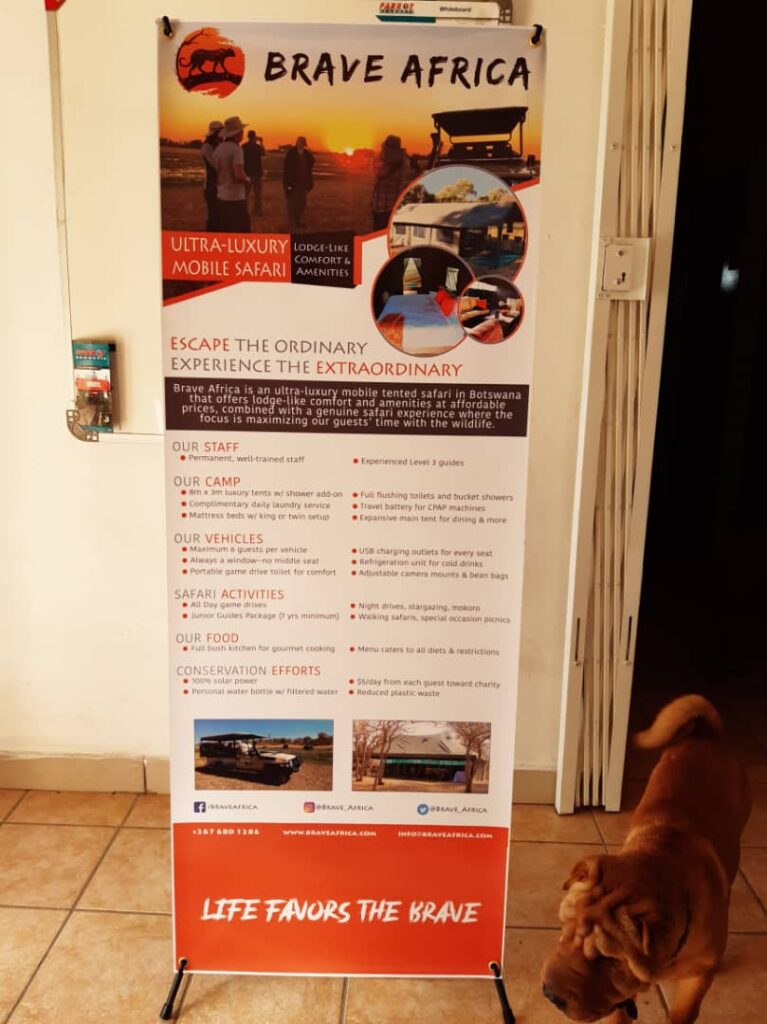
Brave Africa’s table banner
Jul 28, 2019 | Botswana News, Conservation
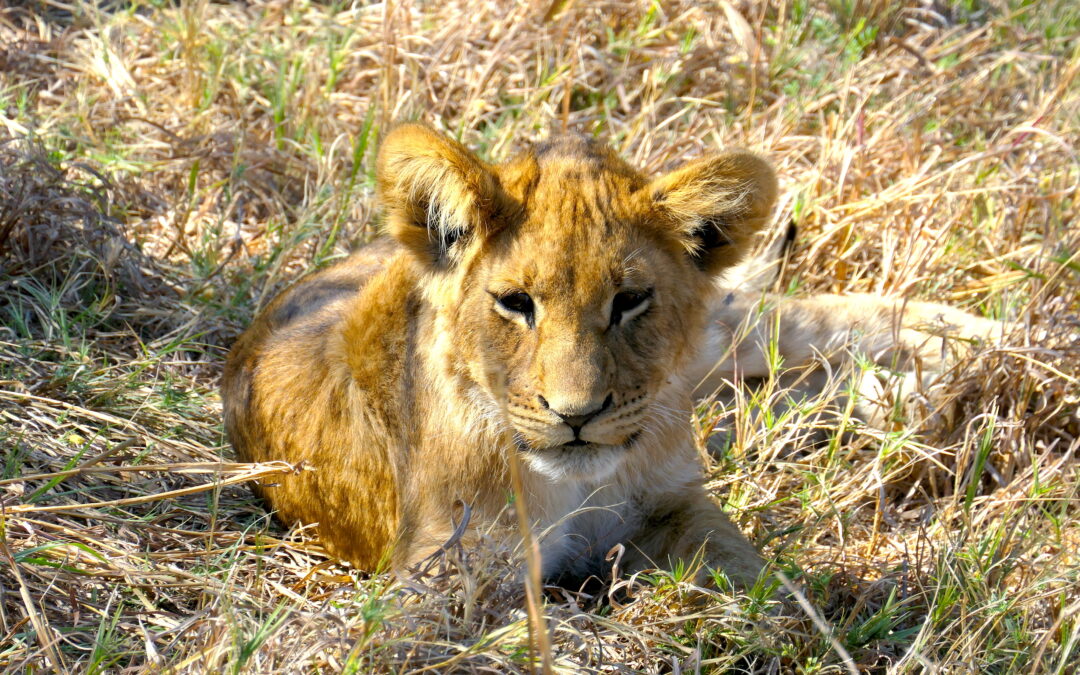
Lions are dying.
Over the last 25 years, 50% of lions have disappeared from the face of the earth. That means that when you watched the original The Lion King in 1994, there were almost twice as many lions in the wild as there are today, says the Wildlife Conservation Network (WCN).
To put that in numbers; there are only 25,000 African lions left in the wild! That puts them on the vulnerable to extinction list, according to the International Union for the Conservation of Nature.
So, why is this happening? Aren’t African safaris and conservation efforts helping?
Why Are Lions Disappearing
- Lions used to roam the entire African continent. Now, 94% of that range is lion-free. They roam less than 660,000 square miles.
- Lions don’t have enough wild prey to eat. The bushmeat trade has forced lions to get close to humans and their livestock for food.
- Human settlements are growing and taking over more and more lion habitat. Humans are also fragmenting lion ranges, which means males have a tough time finding new prides and mates.
- Human and lion conflict is escalating. More lions are being killed, often by poison.
- Poach also poses a severe threat. Lions are valued for their skin, paws, teeth, and claws—all of which can be used in rituals and medicine in parts of Asia.
How Can We Protect Lions and Other Wildlife?
How can we change this and start protecting lions and other African wildlife? First, we have to change the conversation.
The current problem is that there is a high cost for people living beside lions, which means they don’t see the value in preserving them. This can make conservationists jobs incredibly difficult. Without a desire for peaceful coexistence, lions and humans will continue to fight for their right to live, and the lions will lose.
According to Amy Dickman, a research fellow at the Oxford Wildlife Conservation and a National Geographic grantee, the solution is to offset the burden or protecting wildlife. She told National Geographic, “If we want lions to exist in 50 years from now in any meaningful way, we need to adjust the costs and benefits so that far more of the benefits accrue at the local level and the costs are borne at the international level.”
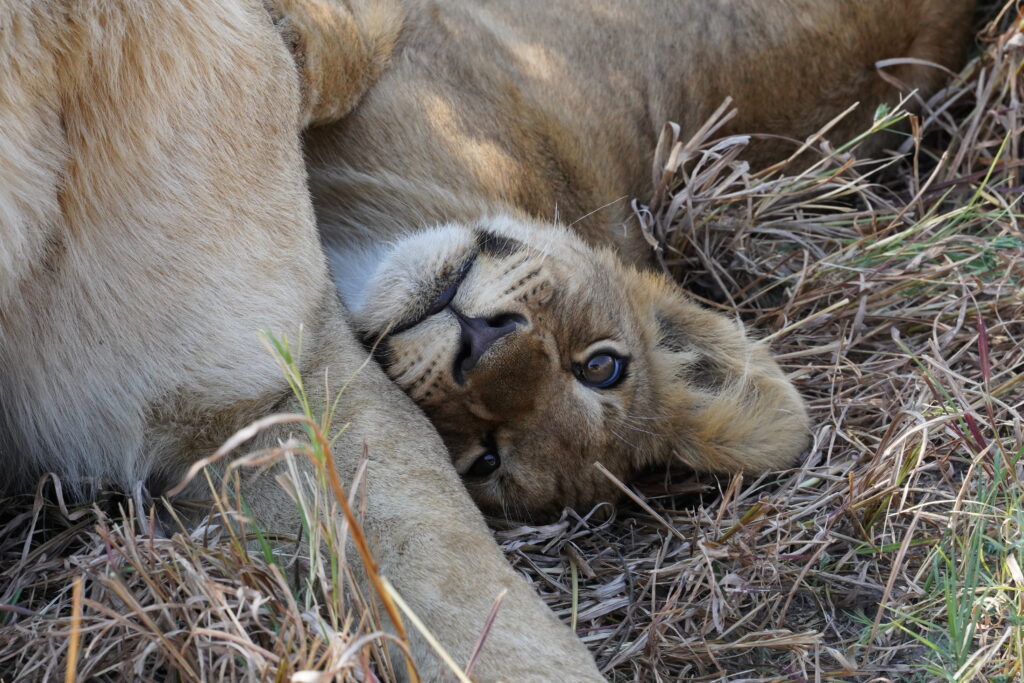
Getting Communities Involved
What exactly does this look like? It means recognizing that local communities have a significant role in protecting lions. They have to deal with the challenges associated with living beside lions, elephants, and other dangerous creatures, so we need to provide those communities tangible benefits (rewards) for living with lions.
- Provide an incentive not to poach.
- Offer a reward for not retaliating against lions after a livestock kill.
- Provide compensation to owners to replace livestock or other property harmed by wildlife.
Donating to Conservation
Saving lions also requires money, lots of money. According to a 2018 study, it will require more than one billion dollars annually to save lions in Africa’s protected areas. Currently, there’s only about $381 million a year.
Changing the Political Mindset
Last, but certainly not least, to save the lions, political leaders need to see the value in conserving them. More than just demonstrating how beneficial wildlife is to tourism, politicians need to understand how protecting nature supports job growth, economic development, and more. We need to prove that protecting lions results in cleaner air and water, more carbon storage, and improved overall wellbeing in rural communities.
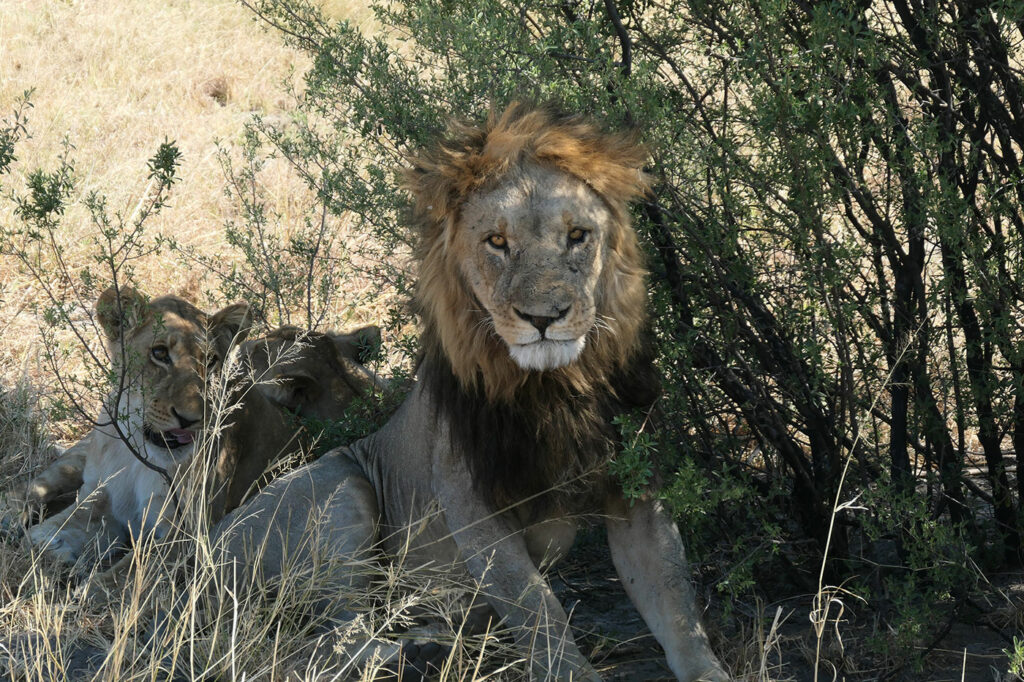
African Safaris and Conservation
Tourism is a rapidly growing industry. In 2018, more than 42 million people visited sub-Saharan Africa. Many of those tourists go on safari.
Now, some people believe that safaris can’t possibly be okay. After all, shouldn’t animals be kept away from tourists and vice versa? But that’s preservation, not conservation. If you put animals into a box to keep them safe, you’re not doing what you can to maintain habitats and change mindsets, but that’s what African safaris can do.
Responsible wildlife safaris encourage people, communities, and political leaders to save the natural environment. By bringing money into countries through wildlife tourism, you’re demonstrating that it’s more valuable to keep animals alive and thriving. You’re making animals a valuable commodity, and money speaks.
More Revenue from Conservation Safaris = Less from Illegal Activities
While it’s difficult to prove a definitive link between a drop in tourists and a rise in poaching, there’s definitely a link between the two. Tourists help protect wildlife from their sheer presence. The revenue they bring in also makes a big difference.
Mark Butcher of Imvelo Safaris told The Guardian, “When people are hungry, they don’t worry about conservation. The wildlife gets left in the care of poorly motivated and ill-equipped bureaucrats.” Basically, when tourists bring money into communities, and people can afford to live well, they don’t have to resort to illegal activities to survive.
For example, in Kenya between 1977 and 1983, visitors dropped by 70,000 a year. The loss in revenue resulted in a 60% decline in anti-poaching patrols. During that time, rhinos practically disappeared, elephant numbers plummeted, and meat poaching was bigger than ever.
The Surprising Power of Safari Photos
Maybe the most surprising power of a safari to aid in conservation is using your photos to track wildlife. Your pictures, when shared on social media can help experts track illegal wildlife trading, demonstrate which areas are most often visited by tourists, and more.
According to a recent study in Botswana, when safari tourists were asked to provide their photographs to help with conservation, they were able to estimate the densities of lions, spotted hyenas, leopards, African wild dogs, and cheetahs. The results were similar to a professional tracking survey and far more affordable.
The reality is that tourists take thousands of photos every day, and those photos can help create statistical models and provide valuable data for conservation.
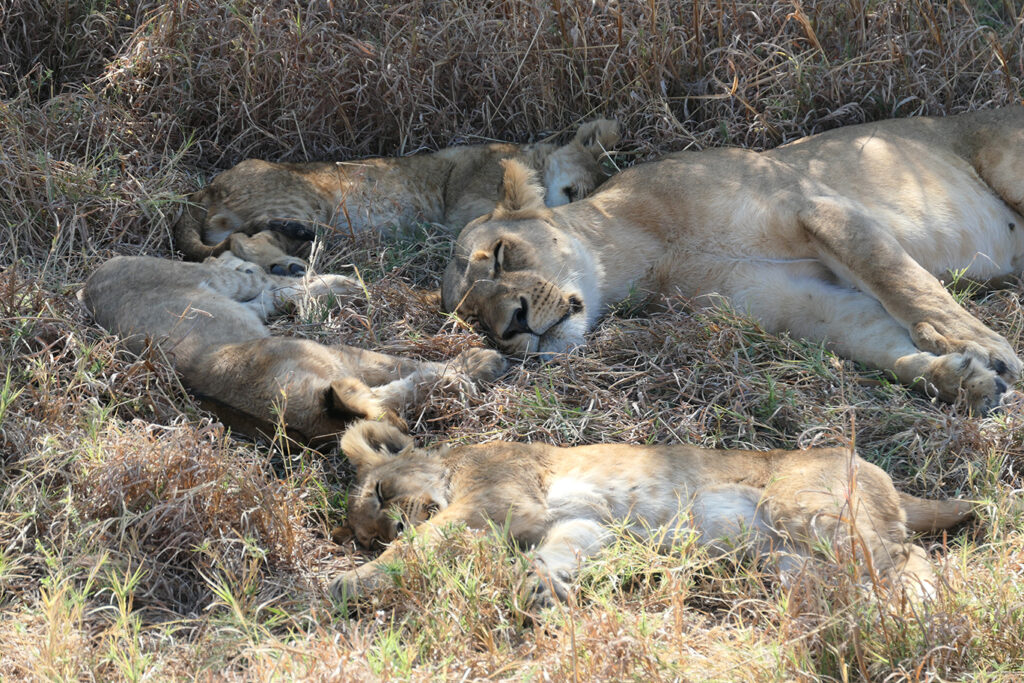
Brave Africa and Conservation
Finally, African safaris can make a major difference in conservation if you choose the right operator. There are many great safari operators who give back to communities, respect wildlife, and donate to various conservation efforts. At Brave Africa, we’re also doing our part.
Though we are just barely getting started, we’re already thinking about how we can help keep Botswana pristine.
Our Employees
We believe that giving back to the community where we operate and taking care of our employees will make the largest difference in conservation. After all, if they live well and feel like they are a part of something valuable, then they’ll take that back home.
As part of that, one of our principal owners is Tabona Wina, a native Botswanan. Wina is the heart and soul of Brave Africa. It’s his knowledge of the Bush and creating a memorable safari experience that makes us who we are. We are one of the few safari companies who have an owner who lives in the community where we operate.
As for the rest of our employees, our goal is to be a company where they love to work. We want to be the premier employer in Botswana because we’re known for taking care of our employees in regards to compensation, benefits, and work environment.
Giving Back
At Brave Africa, we’re also putting our money where our mouth is ($5 a day for every guest).
- $50 from every 10-Day/9-Night itinerary will be donated to conservation efforts.
- $35 from every 7-Day/6-Night itinerary will be donated to conservation efforts.
As we said in a previous blog about Elephant conservation, we’re donating a portion of the proceeds from every guest’s stay with us to Elephants Without Borders, but that’s just the start. We also have plans to give to other charitable organizations that are all focused on conserving wildlife and nature. While we haven’t chosen what other organizations we’ll give to—more research is needed—our goal is to find nonprofits and charities that are doing great work and making a big difference.
We’ll keep you updated as we choose our charities, and we welcome your feedback. If there’s an organization that you feel is doing great work, let us know.
Jun 23, 2019 | Botswana News, Conservation
We love Botswana. It’s an amazing country that’s had a huge focus on conservation and protecting wildlife. Unfortunately, over the last few months, Botswana has been in the news for all the wrong reasons—mainly for Botswana’s elephants and lifting the hunting ban.

(However, we’re still cheering for the decriminalization of same-sex relationships, which was a huge win for LGBTQ rights and something we’re 100% behind and thrilled about. #LoveWins #LoveisLove)
When it comes to protecting wildlife, Botswana seems to be regressing on their conservation leadership. Back in May, Botswana—one of the last sanctuaries for African elephants—lifted its five-year ban on elephant hunting. And since that time, poaching is on the rise.
The news was as depressing as the National Geographic article about elephants in Thailand. It broke our hearts and the hearts of millions of conservationists around the world.
The question now is, “What happens next?”
Elephant Hunting in Botswana
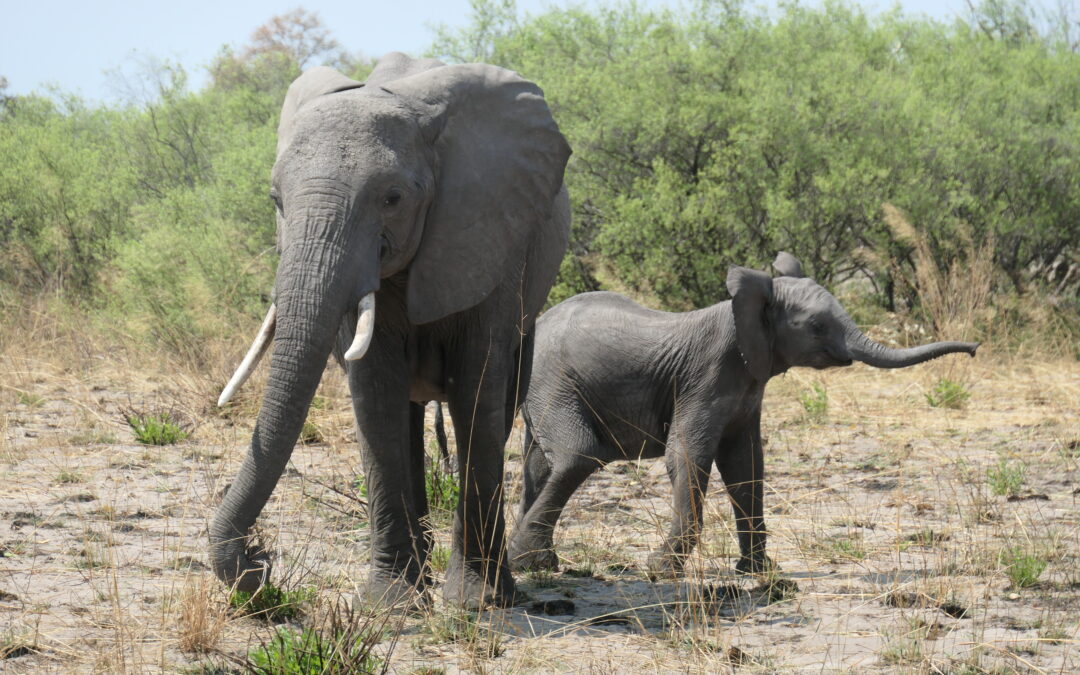
Botswana is home to more than 130,000 elephants—one-third of Africa’s remaining population and more elephants than anywhere else on the continent by almost double. It makes going on safari in Botswana a fantastic experience. You can’t turn around without running into a herd of elephants, and considering how amazing they are, there couldn’t be anything better.
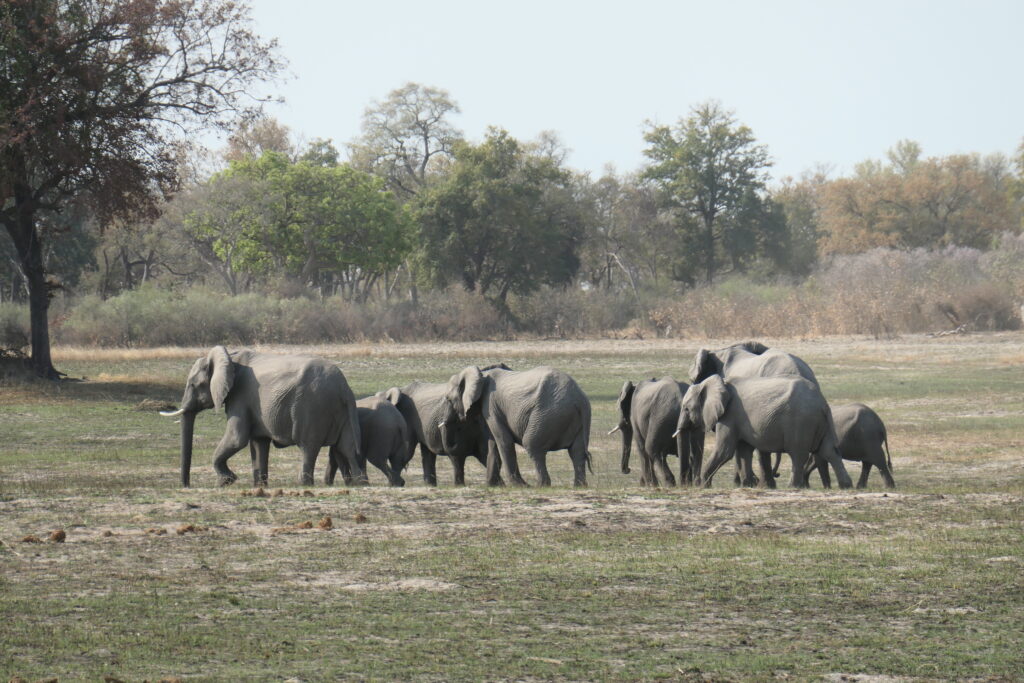
But now that pristine wilderness is in jeopardy.
Originally imposed in 2014, the goal of the hunting ban was to help declining numbers due to poaching and shrinking habitats. It worked wonderfully. The population boomed, and Botswana was ranked the best country for conservation in the world, according to Lonely Planet.
Then, increasing conflict between humans and elephants started to occur. At the same time, Botswana elected a new president who had a very different viewpoint on conservation in Botswana. So, when the five-year hunting ban reached the end of its life, the Botswana government decided not to renew.
Suddenly, Botswana—the country with conservation in its DNA—turned into just one more country that doesn’t seem to care about its wildlife (Namibia, Zimbabwe, Zambia, and South Africa all allow big game hunting as well).
So, what now? Should you refuse to go on safari in Botswana to teach the government a lesson in conservation? That’s what many celebrities have argued for including Ellen DeGeneres, and we can’t blame them.
Money speaks and saying that you’ll take away your money from Botswana until they put the hunting ban back in place, at the outset, seems like the right move. After all, if they lose tourism dollars, won’t that make them change their minds about saving Botswana’s elephants? We argue that just the opposite could happen.
Safaris are now more critical than ever!
If conservation-focused tourism dollars go down, that could make the government more willing to encourage hunting dollars to make up for the loss.
Safaris VS Hunting: One Has to Win
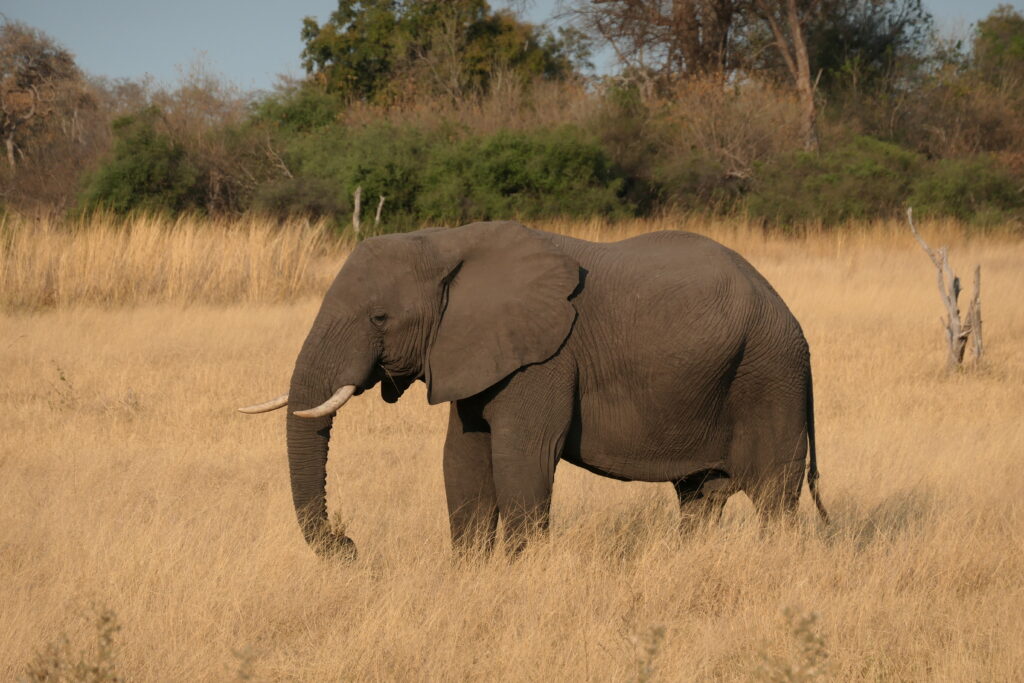
The reality is that what makes money is what survives. Right now, there’s a debate between what’s worth more for Botswana: hunting licenses or tourism dollars? These two avenues are in direct opposition to each other, so in the long term, only one can win, and we want it to be tourism.
Currently, tourism generates more jobs and revenue than hunting, but if you decide to not go on safari in protest of hunting, that could change. It could show that tourism isn’t as economically powerful as the government thought, and so hunting could become even more financially valuable.
Instead, we need to continue to prove that safaris are the far better choice for everyone and that that safaris and hunting cannot coexist. The government needs to choose the better option—to save Botswana’s elephants.
In an ideal world, it should be enough to say that protecting elephants is the right thing to do, but that’s not an argument that typically wins. Governments and big business only listen to one thing—money.
They ignore the fact that elephants are highly intelligent creatures that are aware of the world around them and their family. They overlook the stress that elephants undergo when one of their own is killed. They ignore that hunting is an outdated practice that should have no place in today’s world. What they don’t ignore is the bottom line.
So, although you can make countless arguments for preserving wildlife, saying that it’s better for our environment, better for future generations, and kinder, that’s not what will stop hunting. What will stop hunting is showing that not only is it not worth the money but that it actually hurts the amount of money they can bring in.
Fighting for Botswana’s Elephant
To do this, we have to continue to show that tourism safaris, which protect the environment and are kind to the animals, are the way to go. With our money, we have to demonstrate that it’s essential to keep elephants around, to continue to ban the ivory trade, to be harsh to poachers. The only way to have an impact is to spend your money on the activities (such as a Brave Africa safari) and items that you want to see more of.
It’s how we’re fighting back.
We’re also fighting for elephant conservation by donating a portion of the proceeds from every guest’s stay with us to Elephants Without Borders, a charitable organization dedicated to conserving wildlife and natural resources. They perform research, census, rescue, and education all focused on conserving Botswana’s amazing wildlife. Their goal is to change people’s perceptions in the community and on a national level with regards to the value of wildlife and managing relationships between humans and wild animals.
It’s just one more small way going on safari can help Botswana’s elephants.