Mar 19, 2026 | Botswana News, Brave Africa Safari
If you’ve always wanted to go on safari and were waiting for the perfect time…NOW is that time! 2026 is a great year to go on safari in Botswana, and June 2026 is the ideal month for savings.
Get 10% off your June safari when you book now!
A 2026 June Safari Offers 10% Savings!
There is no bad time to go on safari in Botswana, but if you want to save money, enjoy great weather, and experience a safari with fewer crowds, then JUNE is the month for you! Our June safari calendar has plenty of openings for safaris of any length and any number of guests. All you have to do is reach out to info@braveafrica.com to get started.
You’ll receive 10% off your nightly safari rate when you book a safari for June 2026, saving you hundreds or even thousands of dollars!
5 Reasons to Go on Safari in June 2026?
A 10% discount is great, but why else should you go on a June safari in 2026?
June is Shoulder Season Pricing
At many camps and lodges in Botswana, High Season starts in May. But not at Brave Africa. A June safari is still part of our Shoulder Season pricing, which means it is already more affordable.
In June, our pricing is $805 per person / per night, and in July it jumps to $930 per person / per night. That’s already a $125 per person / per night savings.
But with your 10% discount on a June safari, $805 per person / per night becomes just $725 per person / per night (another $80 per person / per night savings). Compared to a July safari, that’s a savings of $205 per person per night.
And that doesn’t include group or extended stay discounts. Here are some examples:
- Couples who stay with us for 6 nights and pay $699 per person per night, or 9 nights and pay $680 per person per night.
- Groups of 8 pay $706 per person per night for 3 nights, $678 per person per night for 6 nights, and $660 per person per night for 9 nights. AND you get a private camp for free!
A June Safari Has Fewer Crowds
Another great aspect of June being the shoulder season is that the crowds are far less intense. So many safari-goers wait until July and August to head out on safari in Botswana. You can beat most of the rush by heading out into the Botswana bush in June to enjoy everything great about the dry season—excellent animal sightings, bright sunny skies, and cool/warm weather.
June Has Great Weather
June marks the end of autumn and the start of winter (the coldest month being July). This means mild and pleasant days with very little chance of rain and lots of sunny blue skies.
On a June safari, you can expect daytime temperatures around 25 to 29 degrees Celsius (77 to 85 degrees Fahrenheit), with temperatures dropping sharply after sunset (sometimes below freezing). It’s absolutely gorgeous safari weather. Just be sure to pack warm clothing for your morning and evening game drives.
And don’t worry, we will help keep you warm!
We have thick-lined ponchos and blankets in our safari vehicles, which you can use to keep yourself toasty on game drives. There’s also always hot coffee and tea waiting for you. And at night, we use rubber hot water bottles to warm your bed sheets and blankets so you are comfortable all night long.
June Safaris Are Great for Animal Sightings
Just like in High Season, a June safari is an exceptional time for animal sightings. Most of the greenery has dried up, turned brown, and become sparse. This means that animals will find it difficult to hide from your sight, and will be easier to spot.
In addition, the floods will have barely begun to flow down from Angola by June, meaning water will be scarce in the Delta. As such, animals will congregate around the few available water sources: rivers and watering holes. So you won’t have to go far to experience incredible wildlife interactions.
June Has an Open Calendar!
Finally, and maybe most importantly, our June safari calendar is wide open! Normally, you have to book months (if not a full year) in advance to get a June date. But this year, for whatever reason, our June calendar has plenty of availability!
You can choose your June 2026 safari dates, and we should be able to accommodate you.

Oct 22, 2025 | Brave Africa Safari, Most Popular Blogs
Approaching Maun International Airport, it’s hard not to immediately wonder, “What have I gotten myself into? Is this my safari in Botswana?”
The small plane window shows a sweeping desert vista as far as the eye can see, dotted with houses and farms in orderly grids. It’s all shades of brown sand and dirt. There’s no sign of the famed Okavango Delta. The only hint of vibrant green crawls up from the banks of the Thamalakane River, which flows with water for the first time in years.
Where are the elephants and floodplains? Did we get something wrong?
Landing at Maun feels like a step back in time. The airport is composed of a single runway and a two-story building with no jet bridges or gates. Instead, three moderately sized international planes park out front with stairs leading to their doors, and there’s row upon row of five- to twenty-seater bush planes.
This is one of Botswana’s international hubs, and the gateway to one of the world’s premier safari regions.
Welcome to the Beginning of Your Safari in Botswana…Maun

We disembark our plane from Cape Town, South Africa, directly onto the tarmac while heat rises off the pavement in waves. It’s October, and Botswana’s start to the summer. This is both a benefit and a disadvantage.
October is part of the dry season, which means there’s very little chance of rain and much of the vegetation is dormant. This is great news because wildlife has a harder time hiding in low foliage, and animals are easy to find as they gather around water sources when there’s no rain.
And October has a lot of water once you get into the Delta.

While there might be no rain, the floods are in full swing for our safari in Botswana. Every river and pan is filled to the brim with water that’s made its way over 500km from the wet highlands of Angola. It’s an incredible geological puzzle that, every year, shifts the arid Kalahari Desert into a lush, green paradise.
But great wildlife sightings and flowing rivers come at a significant price: high temperatures. On average, October highs can reach over 36 degrees Celsius (100 degrees Fahrenheit).
It’s hot and dry, but we prepared for the weather. Smothered in sunscreen and dressed in lightweight clothing, we are beyond excited. Animals and adventure await in just a few short hours!
Inside Maun International Airport

We make our way into the terminal on foot, and within five minutes, we’re standing in an immigration line. Helpful airport employees pass out one-page immigration entry forms, but no pens are provided. So, after grabbing our own writing implements and filling out the forms, we start the immigration process.
It’s easy, but not quick. Our plane landed at the same time as another international flight from Ethiopia, so the lines are long. Thankfully, everyone is in an upbeat mood, and stress is low. We know what to expect and where we’re headed (our camps and locations), so getting through customs is painless, though time-intensive.
Then, it’s just a matter of grabbing our bags from the carousel and taking a few more steps to the main terminal. We’ve finally arrived.
Welcome to Botswana!

As soon as we walk through those final doors, bags in hand, a line of guides—ready to direct passengers wherever they need to go—greets us with ready smiles and helping hands. We spot our name on one of the many boards being held up, and our Mack Air representative is there immediately to walk us through the next steps.
He grabs our bags for check-in and takes us a few feet over to the Mack Air desk. From there, we twiddle our thumbs while he handles the entire process. He checks us in, checks our bags for the flight, and returns with everything we need: our printed boarding passes, information about our flight (10 passengers total), and a departure timeline: 60 to 90 minutes later.
The process is as stress-free and seamless as it can be. No effort or concern is required on the part of a safari-goer. Our Mack Air guide even walks us to the airport security line (barely 30 meters away) and makes sure we are all settled. We’re through in less than ten minutes and then sitting at the gate —the single terminal and gate for all departing domestic flights.

Travel is Simple with Botswana Bush Flights
Around fifty fellow safari-goers wait with us in the terminal. We’re all headed to different parts of the Delta, different camps and lodges, different itineraries. But that is what bush flights were designed to accommodate.
Bush flights are arranged based on your itinerary. Think about it like having your own private plane. It is not going to leave without you. Instead, Mack Air knows your itinerary and schedules your flight based on your arrival and departure needs. No matter how late your plane is or how slow immigration is, Mack Air will schedule your flight accordingly.

The only thing of note in the terminal is the lack of food. Thankfully, we all ate the free meal on the plane and can wait until we land in Khwai, but if we were hungry, we would need to leave the airport for a bit. The terminal is home to just a single vending machine that only takes PULA and a water cooler with free water.
It’s sparse, but for most travelers, it’s all that’s needed because you won’t be waiting long.
As for boarding, this is the easiest flight you’ll ever board. There are no lines or boarding groups. We are called to board by our last name, and with all the passengers from our flight, we take a van for a short drive to where our plane is parked.
At the plane, we identify our luggage and then watch as they load it underneath the plane—no lost luggage here. Then, we climb aboard.

Bush Flight to Your Safari in Botswana
Bush flights are small planes. Our Mack Air flight seats 12 passengers. There are no assigned seats; there are just four rows of three seats each: two on the right side of the plane and one on the left. Everyone gets a view, and there’s no waiting around.
But don’t expect in-flight service. Pre-boarding (in the van), we are handed a water bottle for our “drink service,” and that’s it. With only a pilot on board (and occasionally a co-pilot in training), nothing else should be expected.
We buckle up and listen to our pre-flight briefing, which explains how long we’ll be in the air (45-50 minutes), safety (seatbelts, barf bags, emergency exits, etc.), weather (a few bumps expected), and then settle in for the flight.
It’s 45 minutes of gorgeous views of the Delta. Looking closely, I spot elephants and buffalo grazing far below. Any other wildlife is too small to see from the air, but even that is enough to build the excitement. Our safari begins. This is the start, and it’s only going to get better from here.
The flight is smooth and quick, and I spend the entire time glued to the window watching as the world passes below. Time seems to speed up and slow down, but before I know it, we start our descent toward the Khwai Airstrip.
Already, it feels like civilization is completely behind us. We are in a new world full of animals and nature, detached from everything I know. It’s exhilarating.
As we descend, I see safari vehicles waiting at the airstrip, and I know one of them is Brave Africa and Tabona Wina: our guide. He was told our arrival time last night and has been waiting patiently for us. We will be in his capable hands throughout our safari. That means there are no worries about what to do or where to go when we disembark. Wina is there with a smile and a helping hand as soon as we set foot on the ground.
Our safari in Botswana begins. Welcome to Brave Africa!


Jul 10, 2025 | Botswana News, Brave Africa Safari
The Okavango Delta is one of the most complex and enchanting ecosystems in the world. It is no wonder that it is a UNESCO World Heritage Site, and there is no doubt that it deserves its designation.
But when you plan to go on safari in Botswana, the Okavango Delta flood can be rather confusing. Many safari-goers do not know how important it is to know about the Delta and its annual flooding, so we wanted to clear up any confusion you might have.
Every year, the Okavango Delta expands from around 6,000 km2 to 15,000 km2 when the floods arrive. It is an incredible influx of water and life into the delta. And there are some safari activities and locations that are entirely dependent on water levels, which might influence where and when you choose to visit.
So let us jump right into it. How is the 2025 Okavango Delta flood season looking, and what do you need to know?’

Current Okavango Delta Flood Water Levels in July 2025
The 2025 season is set to be one of the Okavango Delta’s best floods in recent years. It is a remarkable recovery from almost a decade of drought within the region.
In 2025, the Okavango Delta region received substantial rainfall, with over 200mm of rainfall recorded in Northern Botswana earlier this year in just 24 hours. The areas around the Cubango, Cuito, Kavango, Kunene, and Zambezi Rivers also experienced better-than-average rainfall years, resulting in rising water levels.
 Heavy rainfall across Angola, Namibia, Botswana, Zambia, and Zimbabwe has saturated the soil and driven floodwaters across the Okavango Delta. This year, on a Botswana safari in the Okavango Delta, you can expect higher-than-normal water levels, extensive flooding, and a rejuvenated ecosystem thriving from the water.

Changes in water levels in the Okavango Delta at Rundu over the past 6 years. Current water levels for 2025 are reported in red.
How Does the Okavango Delta Flood Work?
Okay, so now that you know how the 2025 Okavango Delta flood season is looking, let’s talk about how it works. The water levels within the Okavango Delta depend on a few different variables:
- Rainfall in Namibia and Angola
- Zambezi River water levels
- Local rainfall
- Location in the Delta
- Time of the year
Rainfall in Namibia and Angola
The rainfall in Angola and Namibia has a much greater impact on the flood level in Botswana’s Okavango Delta than rainfall in the delta (almost 60% of the flood is directly impacted by upriver rainfall). In fact, most of the water in the Delta travels approximately 100 km (over a few months) from Angola, through Namibia, and finally into the panhandle of the Delta.
When monitoring and predicting how good a particular flood season is going to be, scientists gather data from the Rundu and Divundu water stations in Namibia. The water levels at these stations will reflect river flow and rise, and serve as an important indicator for how good a particular flood season will be in the Okavango Delta.

Zambezi River
Perhaps more surprising is the fact that the Zambezi River also has an impact on the Okavango Delta floods. Not only does the Zambezi impact the water levels at Victoria Falls, but it also feeds into the Chobe River. As a backwater river for the Zambezi, the Chobe River’s water levels are a direct result of the volume of Victoria Falls. So, when the Zambezi has a good year, so does Chobe.
And in high-water years (this year), Zambezi water can reach all the way down to the Chobe floodplains. This can help strengthen the already incredible biodiversity of the area and encourage even more herds of elephants, buffalo, antelope, and strong populations of predators.
Local Rainfall
Not as important, but still impactful, is the local summer rainfall in the Okavango Delta. From November until April, the Okavango Delta typically receives around 475mm of rainfall. This accounts for around 40% of the overall Delta flood waters (while 60% comes from upriver).
In 2025, local rains fell early and in great abundance. By January, some areas of the Delta had already reached more than 55% of their average long-term rainfall. This was a substantial change from 2024, which marked some of the most extreme drought in decades.
Location in the Delta
The Okavango Delta flood does not reach every part of northern Botswana. As you can see on the map below, there is a permanent swamp, seasonal floodplains that almost always flood, and seasonal floodplains that only occasionally flood. In a good year, such as what we expect for 2025, most seasonal floodplains should be filled.

One of the best indicators of an exceptional flood season is when the flood reaches Maun via the Thamalakane River. Over the last decade, drought has kept the Thamalakane relatively dry so far south, or at very low levels. In 2025, the flood has already reached the Matlapaneng Bridge and is going strong.
Time of the Year
The annual floods enter the Okavango Delta in the fall, typically between April and May each year. This timing allows for the full impact of the summer rainy season to fill up the Angolan highlands and the Namibian rivers and then travel into the Okavango Delta. This is a process that you can witness first-hand when the flood waters first start to arrive in April.
The best times of the year to experience the flood are during the dry season (winter) in Botswana: June to September. It is called the “dry” season due to a lack of rain, but this doesn’t necessarily mean there is little water. Instead, the “dry” season is when the flood levels are the highest and water is in abundance.

2025 Okavango Delta Flood and Your Safari
So, what does all this mean for your 2025 safari in the Okavango Delta? How will the floods affect your experience?
A great flood season can mean incredible wildlife opportunities. More water means a more active and diverse ecosystem with both predators and prey taking advantage of the abundance of water.
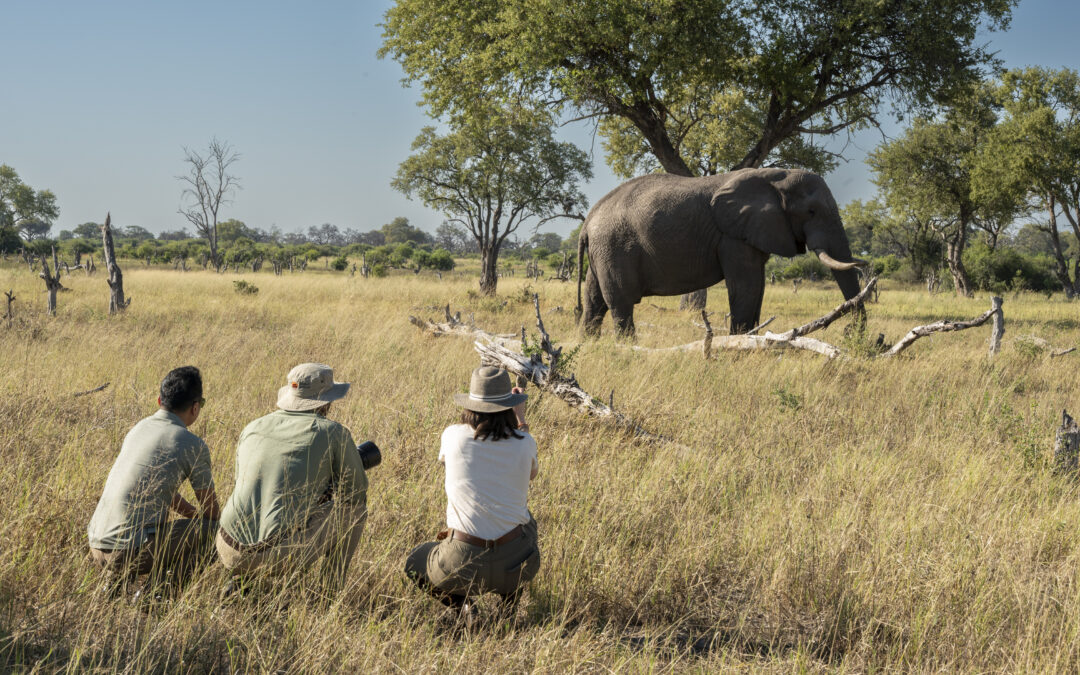
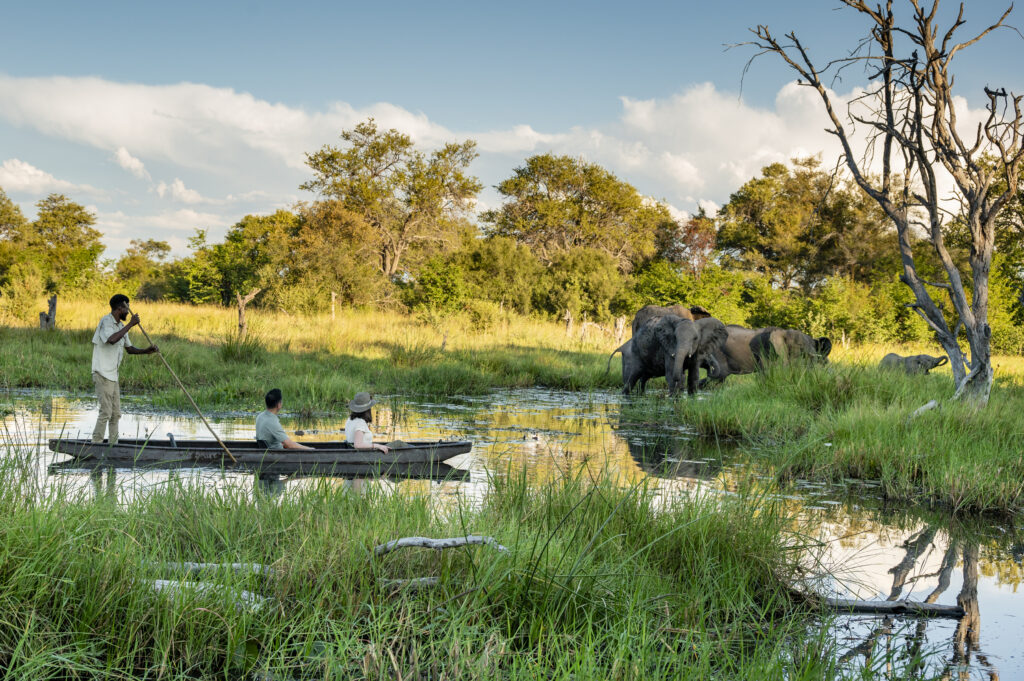
High flood waters also mean the opportunity for more water excursions. During the flood season, you can take a boating safari in Moremi Game Reserve or go on a mokoro safari in Khwai Concession. There are many ways to traverse the flooded landscape and have unique wildlife encounters, and they are well worth it.
Please do not hesitate to reach out to Brave Africa Safaris (info@braveafrica.com) if you have more questions or if you would like to book a last-minute safari for this incredible 2025 Okavango Delta flood season.
May 29, 2025 | Adventure Safari, Brave Africa Safari, Most Popular Blogs
An African safari costs a lot of money. From a few hundred dollars (USD) per person, per night, to a few thousand dollars, the price varies greatly based on the lodge, location, and experience. Regardless, an African safari is one of the most expensive holidays you can take. Though we definitely believe it is worth it.
So, the question is, “With how much an African safari can cost, what do you get for your money?” It is probably more than you expect.
*Please note that this blog primarily focuses on Botswana, as Brave Africa is based there. But Africa is a vast continent, and numerous countries offer safari experiences at varying costs, including South Africa, Kenya, Tanzania, Zimbabwe, Zambia, Namibia, Uganda, and Rwanda.
African Safari Cost Considerations
There are several factors to consider when determining the total cost of an African safari. It can be extremely complicated and confusing if you’ve never been on safari before, so we’ll do our best to break it down as simply as possible.
Cost Per Person, Per Night
First, it is essential to understand that a Botswana safari cost is typically broken down into a per-person, per-night rate. You do not pay for a room (like a hotel); you pay per person. This is because most safaris are either all-inclusive or semi-inclusive, and therefore, your rate is not limited solely to accommodations. Instead, your nightly rate includes all meals and activities.
Safari Activity Costs
Speaking of activities, daily game drives to find and view animals are almost always included in the nightly rate. This means that, in addition to your room and board, you will also have access to a safari guide and vehicle to get around the bush. At a minimum, you can expect morning and evening game drives (unless otherwise stated). Additional activities (such as mokoro or walking safaris) may also be available and included in the fee. However, please check with your lodge, camp, or operator for details.
A key point to note about activities is that most operators have a set schedule that must be adhered to. So, while game drives are included in the cost, they are limited in scope (2-3 hours in the morning and 2-3 hours in the evening), unless otherwise indicated or paid for. Game drives are also a shared activity with other guests in the vehicle, unless an additional fee for privacy is paid.
Travel Costs
Travel costs are NOT included in the per-person, per-night rate. For Botswana, this may mean budgeting an additional $1,000 – $2,000 per person beyond your African safari costs.
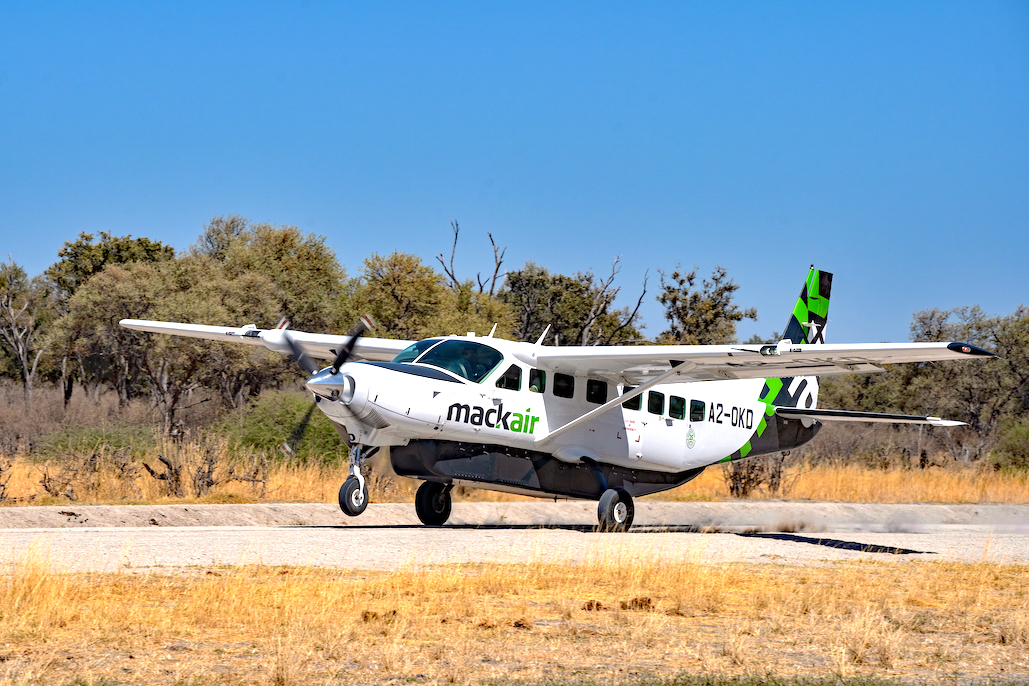
International flights are, of course, not included. You will need to pay for your flights into Botswana. In addition, Botswana is a fly-in, fly-out safari destination. This means that once you arrive on your international flight in Botswana (either in Maun or Kasane), you will need to book a bush flight to reach your lodge or camp.
Additionally, if you are staying at multiple lodges and locations within Botswana’s bush, you will need to pay for transfers between those locations. Often, this means paying for additional bush flights.
Bush flights often cost $300 – $500 per person one way.
The only time transfers are included in your safari rate is when you choose a mobile safari. On a mobile safari, such as Brave Africa, you will still need to pay for your bush flights into and out of the bush, but transfers between camps are included in the price of your safari. This can save you $600 to $1,000 per person for a six or nine-night safari in two or three locations.
Every Lodge/Camp is Unique
All safari operators are unique in what their rates include. Some camps and lodges offer more than others. The key is to reach out directly to each operator you are interested in and ask exactly what is included in your African safari cost. Do not make assumptions.
African Safari Cost Per Safari Type
Now that you know how the cost of an African safari is broken down, let’s look at the cost of an African safari based on the type of safari you choose. There are three main types of safaris: self-drive, budget, and all-inclusive.
Self-Drive African Safaris
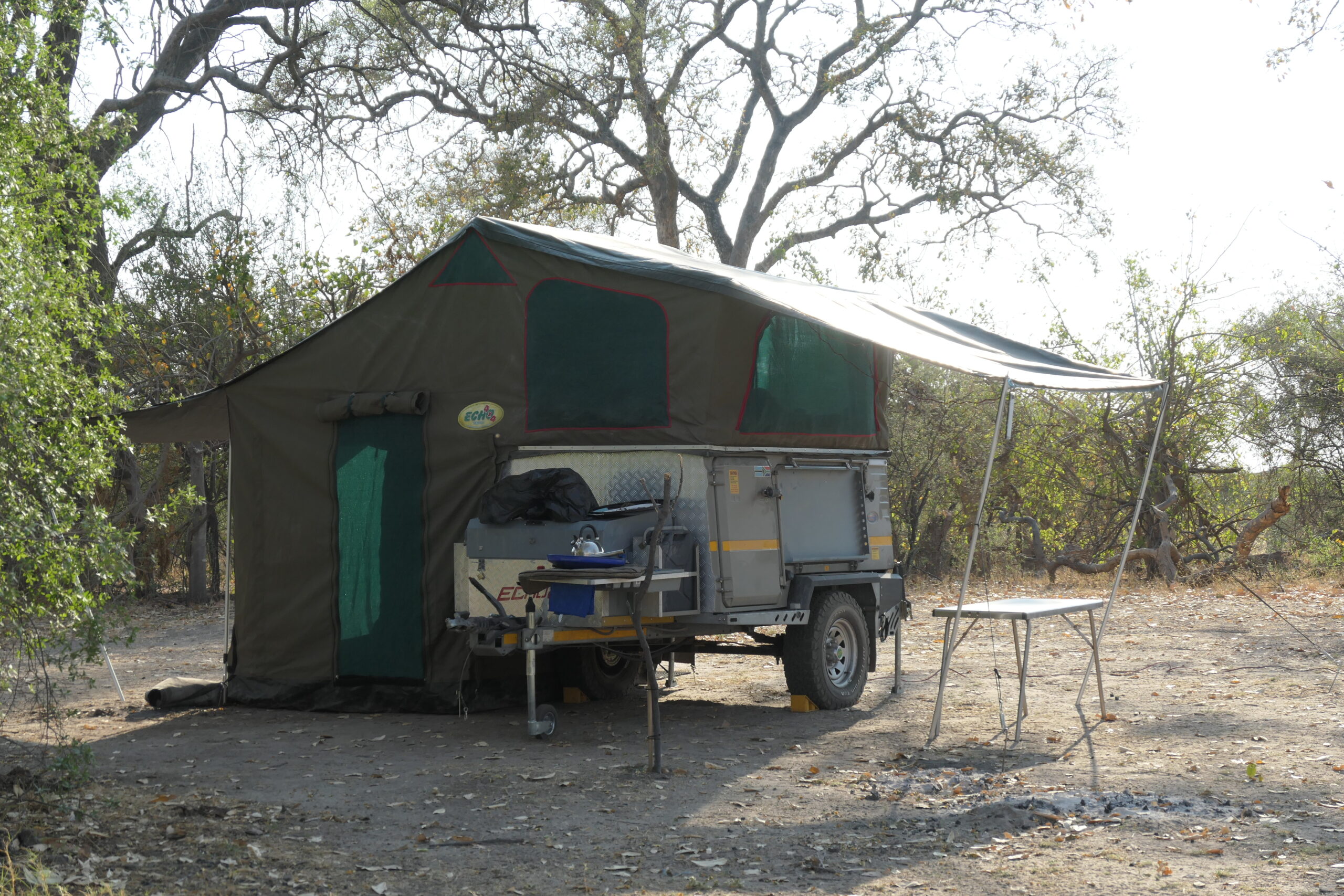
A self-drive African safari is the most affordable option, but it is also the option with the fewest perks. You rent a 4×4 vehicle and camping equipment, and then you drive yourself around Botswana’s wilderness. You must book your own campsites, find the animals yourself, follow all the safety rules and regulations, and take care of everything on your own.
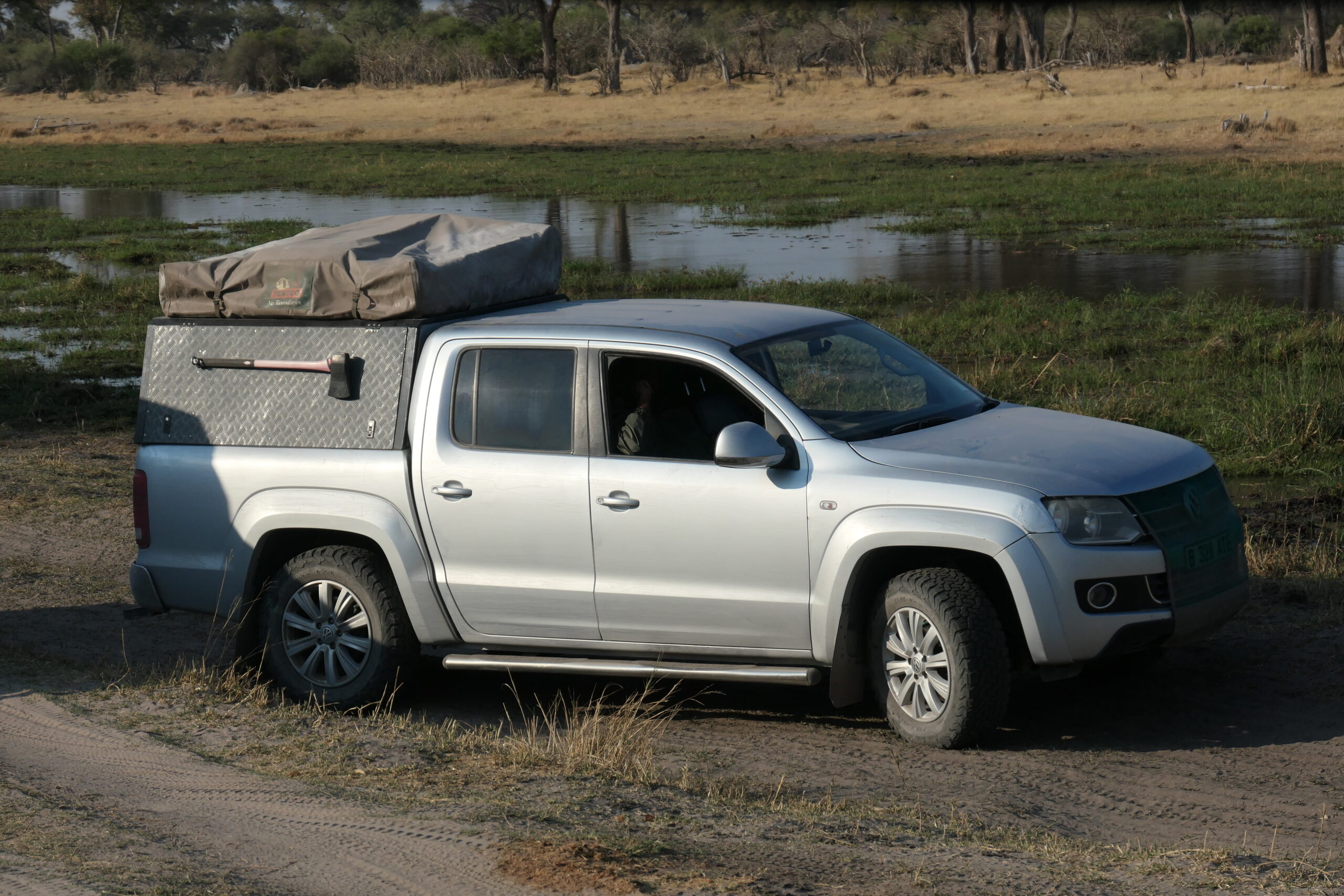 You can rent a 4×4 vehicle for as little as $100 per day.
What do you get for the cost?
- A 4×4 vehicle
- Camping equipment, which includes tents, a small kitchen (fridge/freezer, stovetop), water tank, and fuel tank.
Basic items NOT included:
- Food, water, and other drinks and snacks will need to be purchased, stored, and prepared by you.
- Fuel will need to be purchased for your vehicle and cooking for the duration of your trip.
- Campsites must be booked and purchased, along with all accompanying park fees.
Important considerations to make before planning and executing a self-drive safari.
- You do not have a safari guide, which means you will need to travel the bush completely on your own using a map and limited GPS. Self-drivers often get lost, experience car trouble, or become stuck in the Botswana bush and require rescue, which can cost thousands of dollars.
- You will not have an expert to follow animal tracks or explain what you are seeing. This means you will be floundering on your own with whatever guidebook you have to figure out what you are seeing, and why. That’s even if you find the animals in the first place.
- To minimize your African safari costs, you must be well-versed in wilderness camping. There will be no one to assist you in putting up and taking down camp, preparing meals, or generally making your way in the bush. You will need to be prepared for every and any eventuality on your own.
We do not and cannot recommend a self-drive safari.
Not only can it be very dangerous to take yourself into the bush when there are very few roads, but also difficult driving conditions. But a self-drive safari in Botswana is not the best experience. You will miss out on so many animal sightings, and more than that, pertinent information that only a safari guide can share.
Budget African Safaris
The second most affordable option is a budget African safari. This is typically a combination of an all-inclusive safari and a self-drive safari. You will enjoy some of the key benefits of an all-inclusive safari, including a safari guide, camp equipment, safari vehicle, basic meals, and navigation. But it will be bare bones.
 You can plan a budget African safari for $250 – $400 USD per person, per night.
What do you get for the cost?
This can vary between operators, so please do your research, but in general, you can expect:
- A safari guide to drive you around the bush, track animals, and act as your information resource for any and all questions and safety considerations.
- All camping equipment, including small tents, sleeping bags/cots, drop toilets, folding chairs, and other basic necessities.
- Basic meal preparation and cooking (generally over a fire), along with basic drinks (sometimes including local alcohols).
- A 4×4 vehicle (driven by your safari guide).
- Campsite reservations, park fees, and all fuel are included in this African safari cost.
Basic items NOT included:
- Premium meals and alcoholic beverages.
- Full-service is often not included. In many cases, you will need to set up your own tent and treat the experience as self-camping with a guide nearby.
Important considerations to make before planning a budget safari.
- You need to be comfortable camping on your own in basic environments and with few creature comforts if you choose a budget African safari.
- The equipment might be old, run-down, or of subpar quality. This may impact your game drive experience, as your vehicle may not be very comfortable or may lack helpful features such as telescoping armrests for photography, charging ports, or a portable refrigerator for cool drinks on long days.
- Since a budget African safari is very basic in terms of service, you will need to prepare to give up some conveniences in order to accommodate a lower budget. It does not mean your safari days won’t be incredible; it just means that you might have to make some sacrifices in one area to enjoy others.
We do recommend budget safaris.
If you are on a tight budget but you still want to experience an African safari, a budget safari is a great option. The key is to make sure that you choose a budget with features that provide the necessary comfort level you need. For example, if you need a bed with a mattress, you might have to pay more. Or some budget options do not have en-suite bathrooms and instead stay at campsites with public toilets and showers. There is a budget level for almost everyone, so ask questions and choose what works for you.
The only thing you do NOT want to be cheap on is your safari guide. Your safari guide will make or break your experience. Ask about their guides and the level of experience they have.
All-Inclusive Safaris
The final option for an African safari is an all-inclusive safari. This is your standard safari option and is what you can expect at almost every lodge and some mobile camps. An all-inclusive safari is exactly what it sounds like: you pay one price and everything is included. Basically, your cost covers all accommodations, daily room cleaning, chef-made meals (breakfast, lunch, and dinner), safari guiding, and other safari activities.
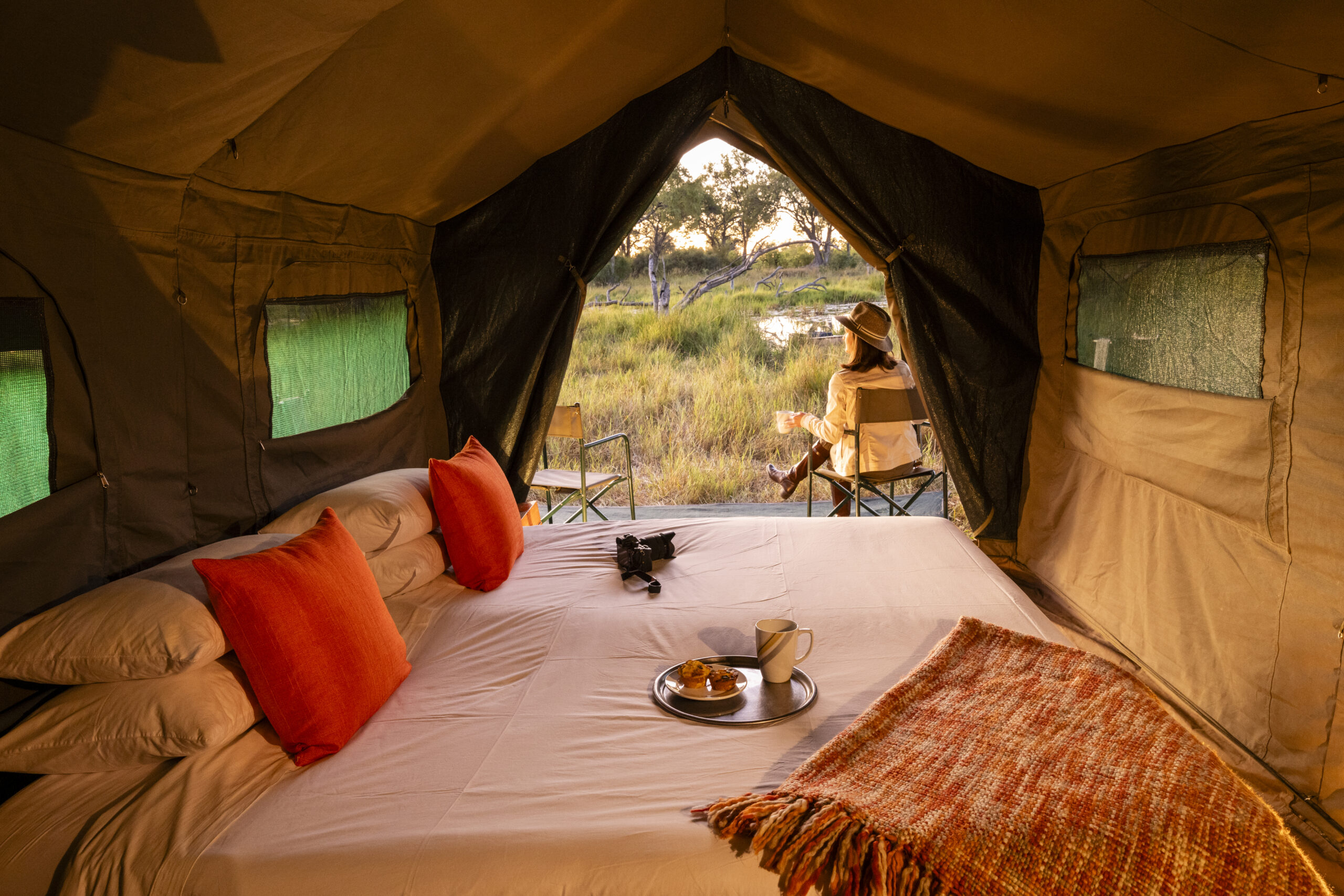 All-inclusive safaris start at $500 per person per night and can cost upwards of $3,000 per person, per night.
What do you get for the cost?
The cost of an all-inclusive safari is highly varied because it depends on the level of luxury you desire. So, please research the lodges and camps you choose, but in general, you can expect:
- Daily safari activities, including game drives and walking safaris (mokoro, boating safaris, and even helicopter flights might also be included).
- A safari guide to drive you around the bush, track animals, and act as your information resource for any and all questions and safety considerations.
- All accommodations, including en-suite bathrooms (the luxury is dependent on your cost), and a pavilion, a lobby, and meal areas.
- Full-service provided by staff, including daily cleaning, meal service, and camp care (often including daily laundry service).
- Premium meal service for breakfast, lunch, and dinner, along with drinks including local alcohols and premium liquors.
- Campsite reservations, vehicles, park fees, and all other incidentals.
Basic items NOT included:
The only items not included on an all-inclusive safari are those items of a personal nature. Anything else is supplemental and depends on the cost of your luxurious accommodation.
- Travel insurance, health insurance, visa and passport fees.
- Cash gratuities (tips).
- Flights (international and bush) to arrive at your lodge or camp.
Important considerations to keep in mind before planning an all-inclusive safari.
- The nightly rate you are willing to pay will significantly impact your lodge or camp experience. More money might get you a plunge pool, air conditioning, Wi-Fi, television, premium (imported) alcohols, etc. Think of it the same way you would a hotel: the more expensive the hotel, the more luxurious the experience.
- What does not tend to change even as you pay more is the actual safari experience. Often, paying more does not equate to better guides or more frequent daily game drives. That experience is dependent on your operator and not your budget.
- Decide what is most important to you about your safari, and then determine what fits within your budget and what you are willing to compromise on for something else. More does not always mean better. Some all-inclusive safaris are expensive simply because they can be, and the experience may not be worth the astronomical cost of an African safari.
We do recommend an all-inclusive safari.
If you have the budget, we highly recommend an all-inclusive safari. This will provide you with the best and most memorable safari experience, leaving you with the fewest concerns and worries. The key is to decide what you need and what you do not. If you don’t plan to swim in a pool during your safari, don’t pay for it. If you want to unplug, don’t pay for Wi-Fi or TV. If your goal is to spend time with the animals, consider an all-inclusive safari option that focuses on game drives rather than imported alcohol.
Brave Africa Safari Cost: All-Inclusive
What about Brave Africa Safaris? We are a boutique, luxury mobile safari company ideal for guests seeking an authentic under-the-canvas safari experience while still craving the comfort and convenience of a fully serviced safari lodge. We harken back to the romantic adventure of the safaris of yesteryear. Guests who stay with us spend their days seeking out animals, basking in the sun, and enjoying the tranquility of unspoiled wilderness. It’s how a safari was always meant to be experienced!
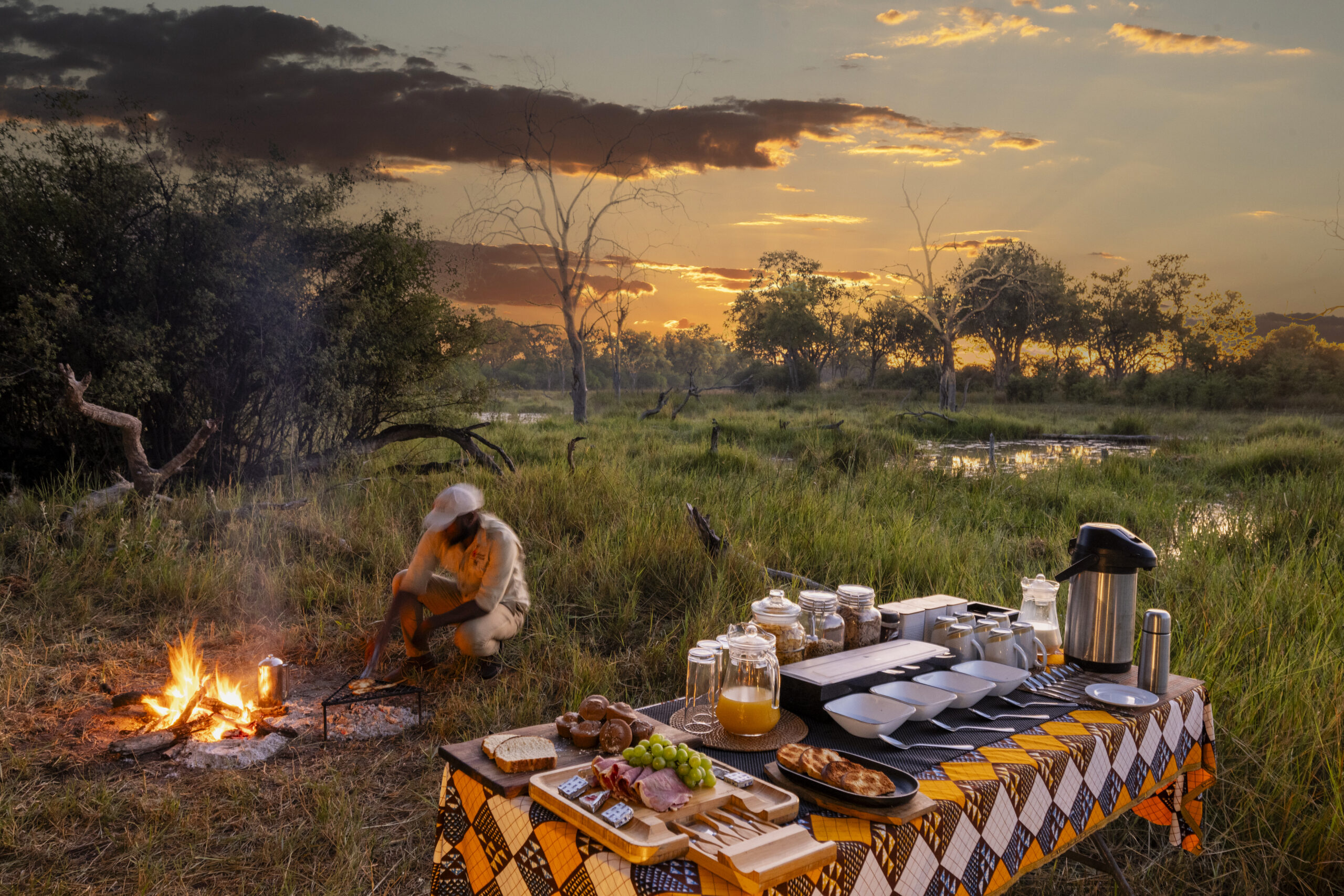 Our price starts at $645 per person, per night during the Green Season and increases to $930 per person, per night during the High Season.
What do you get for the cost?
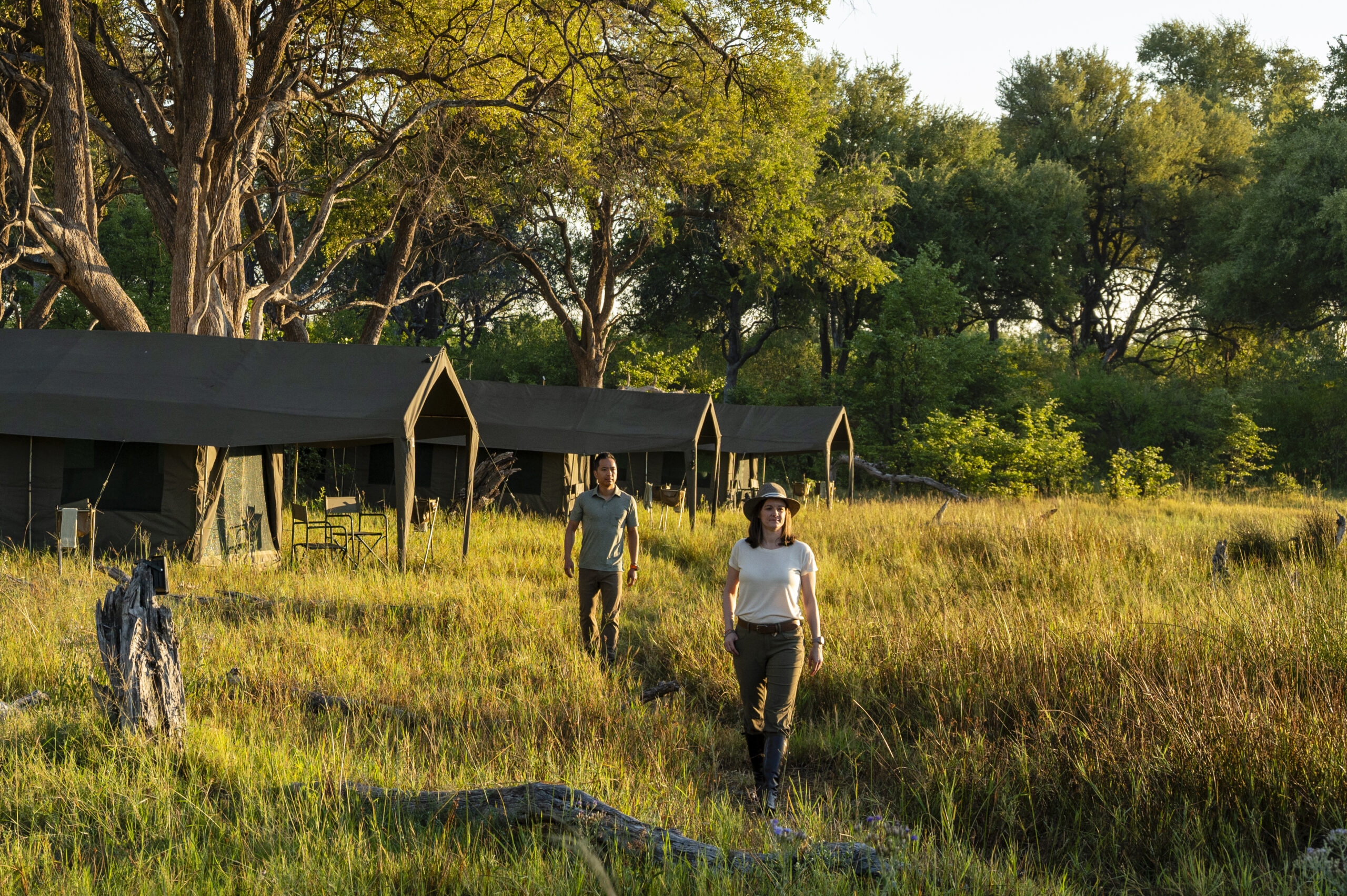
Crafted by safari enthusiasts, Brave Africa is an intimate, tented camp that invites you to fully immerse yourself in the sights, sounds, and scents of the Botswana bush. Our large, spacious tents feature comfortable beds and en-suite bathrooms with flushing toilets, washbasins, and a refreshing bucket shower (with hot water on demand). It is a comfortable and luxurious camp experience.
Our goal is to provide you with everything you want from a safari, without all the frills.
- Large three-roomed guest tents (Meru-style) with plush mattresses, flushing toilets, wardrobes, and bucket showers (hot water on demand).
- An oversized, tented pavilion serves as the social hub of camp.
- Solar energy and battery charging are available in the pavilion and in vehicles.
- Daily housekeeping, daily laundry, and full-service camp tear down, movement, and setup on transfer days.
- Full-meal preparation (for any diet) including gourmet breakfast, lunch, dinner, and snacks.
- Soft drinks, local beers, and local wines, plus one premium liquor drink daily.
We focus on high-quality guiding, including fully customizable game drives (no set schedules or itineraries). Our priority is spending time with the wildlife, not at camp. Guests can also enjoy walking safaris, night drives, mokoro, boating safaris, village visits, and more.
Basic items NOT included:
The only items not included in our all-inclusive safari are those of a personal nature and transfers outside of your scheduled safari.
- Travel insurance, health insurance, visa and passport fees.
- Cash gratuities (tips).
- Flights (international and bush) to arrive at and depart from your Brave Africa safari.
Important considerations for a Brave Africa safari.
- A luxury mobile safari, such as Brave Africa, can save you money on your total African safari cost by reducing the cost of transfers. In Botswana, you have to fly into the bush to start your safari and fly out to end your safari, and you have to fly to each location in the bush (if you are visiting multiple locations). This cost is not included in your nightly rate. On a mobile safari, while the bush flight in and out is still required, transfers between locations are included in the price. This means that you can save almost $1,000 on a 9-night safari in three locations.
- Our camp doesn’t exist until you book your safari, making us truly mobile and following the creed, “take only memories, and leave only footprints.” We are truly eco-friendly with no permanent structures. It is a true adventure where, every few days, the Brave Africa team takes you to a new safari destination while providing you with the same amazing connection with the wilderness.
- Brave Africa is a boutique operator with a maximum of six tents and a capacity of twelve guests. This means you can expect personalized and passionate care that is tailored to your needs. Our commitment is to flexibility and customization, so you can enjoy the safari experience you want.
Brave Africa Safari Rates

Fall in Love with Botswana’s Wilderness
Join Brave Africa on a safari of a lifetime. Each trip will offer new sights, sounds, wildlife, and scenery—no matter if it is your first or hundredth safari. The Botswana wilderness is always waiting to reveal something incredible and new.
Our custom-designed safari itineraries are tailored to your schedule and can be created to make your dreams a reality. And with camps located in four exceptional regions of Botswana’s Okavango Delta—Moremi Game Reserve, Khwai Community Concession, and Savuti—there is always a new destination to explore.
Dec 5, 2024 | Brave Africa Safari, Most Popular Blogs, Safari Tips
Is an African safari worth it? Yes an African safari is worth it 100% of the time, even with how much an African safari costs! If you love animals, if you enjoy unique vacations/holidays, if you want to experience travel unplugged from work, phone calls, and the internet, then a safari is one of the most incredible trips you can take.
But you do not have to take our word for it. Let us break down what it’s like to go on an African safari and then let you decide if a safari is worth it for you.
This blog has been updated with new information in December 2024! [Original blog was published in 2020.]
What Does an African Safari Cost and What Do You Get?
Dollar for dollar, African safaris are one of the most expensive vacations you can take. A luxury African safari can cost anywhere from $5,000 to $50,000 USD. It all depends on where you go on safari—South Africa, Botswana, Kenya, Tanzania, Zimbabwe, etc.—what season you go on safari, and how long you stay there. Also, please note that an African safari cost is usually divided up PER PERSON and per night.
So, is an African safari worth the price, and what do you get for the cost of a safari?
All-Inclusive
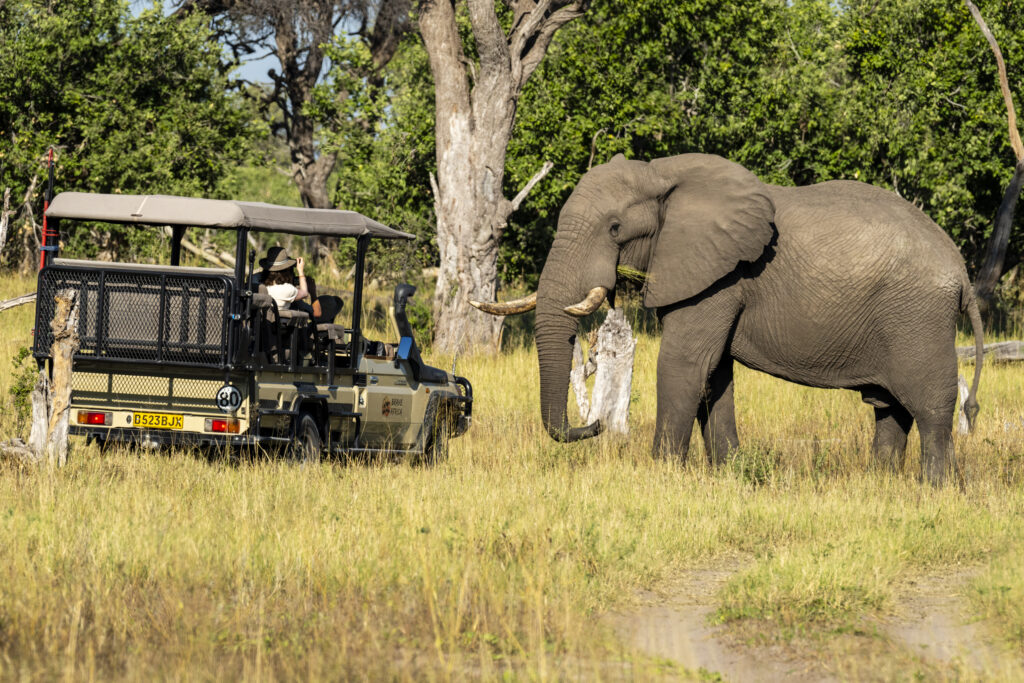
Most safaris are all-inclusive. This means that the nightly price for your lodge or camp covers everything: food, safari activities (game drives, mokoro, boating, walking safaris, etc.), and even most alcoholic drinks. The good news is that this means you can more easily budget your safari upfront and know exactly what an African safari costs from the very beginning.
At Brave Africa Safaris, your all-inclusive safari cost includes:
- Lodging
- All meals, snacks, and in-house beverages (including local beers and wines)
- All-day safari activities, including game drives, mokoro, village visits, walking safaris, etc.
- Daily laundry and cleaning services
- Road transfers between locations/camps while with Brave Africa
- $50 or $35 nonprofit donation per guest
Exclusivity
The higher you budget for an African safari, the more exclusive your experience will be. That is because the high cost includes private concessions, campsites, and locations not drowning in tourists. These off-the-beaten-path safaris cost more but also provide far more premium animal encounters. You won’t be in the middle of thousands of tourists, pushing through crowds to see a single lion on the ground. This makes an African safari worth it if you can afford it.
Exclusivity is one of the things that makes a Botswana safari so special. Botswana limits the number of lodges, camps, and tourists that can be in any location at one time. This means that there is serious crowd control, the animals are not used to humans, and there are many times on safari when you are alone. But a Botswana safari is also one of the most expensive safaris you can go on. You pay for exclusivity, but it is worth it. We promise. Botswana is one of the few countries left in southern Africa where a safari harkens back to the early years of adventures in the wilderness. Botswana’s safari tourism model is fewer tourists and better experiences. At Brave Africa Safaris, our vehicles max out at six guests (two per row) and six tents (12 guests total at camp and two safari vehicles).
An African safari should be about you, the animals, and nature. The value of an exclusive African safari experience cannot be overstated. It’s a chance to truly get away from it all: turn off the cell phone, disconnect from WiFi, say goodbye to people, and get in touch with Mother Nature. The key is choosing an African safari experience that focuses on exclusivity.
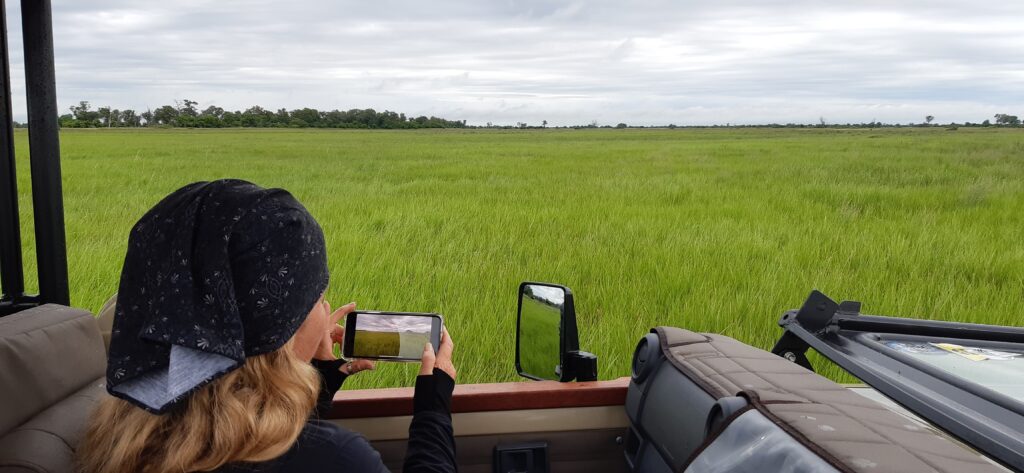
What Does an African Safari Cost?
Okay, so what does an African safari cost? It will vary wildly between locations.
- Kenya and Tanzania have many more affordable options ($500 – $700 per person per night), but you will face large crowds and less luxurious accommodations.
- South Africa has some of the most luxurious lodges in all of Africa and some of the most budget safari options. You can get a day pass to drive through Kruger Park in your own vehicle for very cheap. Or you can book a lodge in the exclusive Sabi Sands for more than $1000 – $3000 per night per person.
- Botswana is one of the most exclusive countries for a safari and one of the most expensive. Most of Botswana is ultra-luxury, costing upwards of $1500 per person per night. But there are also many incredible mid-range options, such as Brave Africa Safaris, which costs $600 – $900 per person per night.
- Zimbabwe, Zambia, and Nambia are great options, with a range of African safari costs from $500 to $1000 per person per night.
There is also a difference in the price of an African safari depending on the season.
- Green Season is typically December – March and is also “wet” season. You might experience rain during your safari and the dense greenery might make it more difficult to find animals, but prices will be a few hundred dollars cheaper per person and night.
- Shoulder Season is typically April, May, June, and November. This is a great time to visit because the crowds are fewer and the temperatures are more mild. You will also save on your nightly rate.
- High Season is July – October and is the most popular time to go on safari. This is winter in southern Africa, and animals tend to be easy to find as they gather at the few watering holes and cannot hide in greenery.
At Brave Africa Safaris, our cost is broken up by season. And we offer discounts for the more nights you stay with us and the more people in your group. Below is an image of our 2025 Botswana safari rates.

Why is an African Safari Better Than a Zoo?
Beyond price, many guests’ next question about whether an African safari is worth it is related to the experience. You can see wild animals in a zoo, how is an African safari better? What is the experience like, especially when animals are not guaranteed?
African Wildlife on Safari
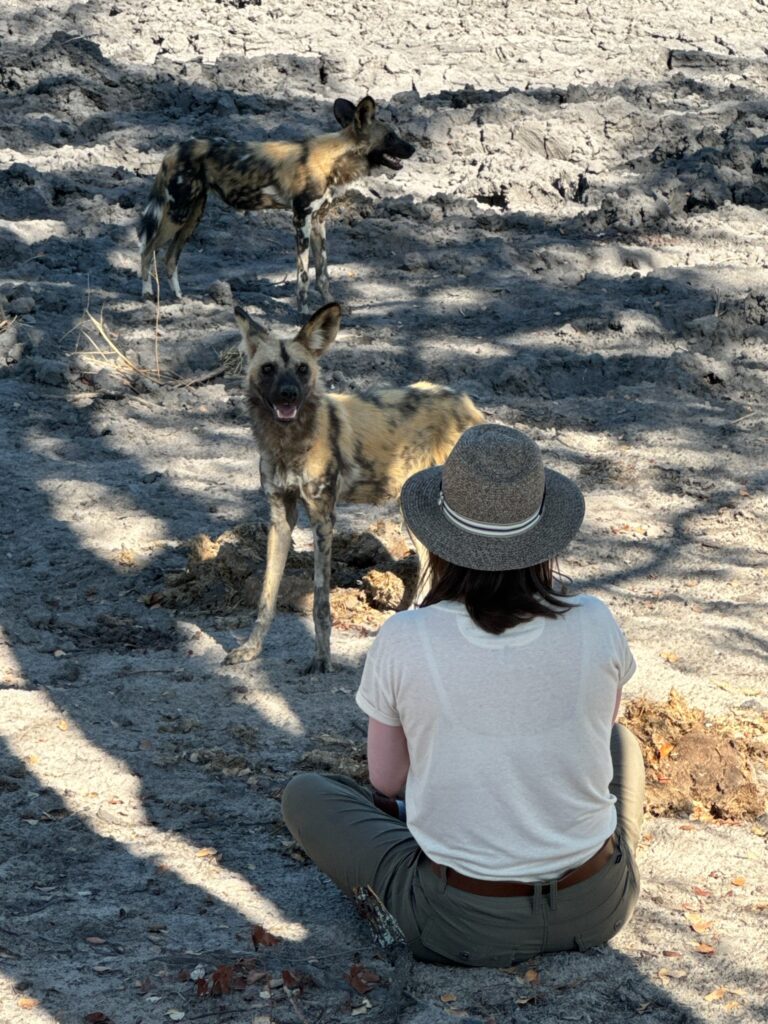
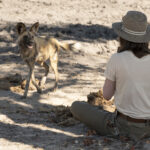
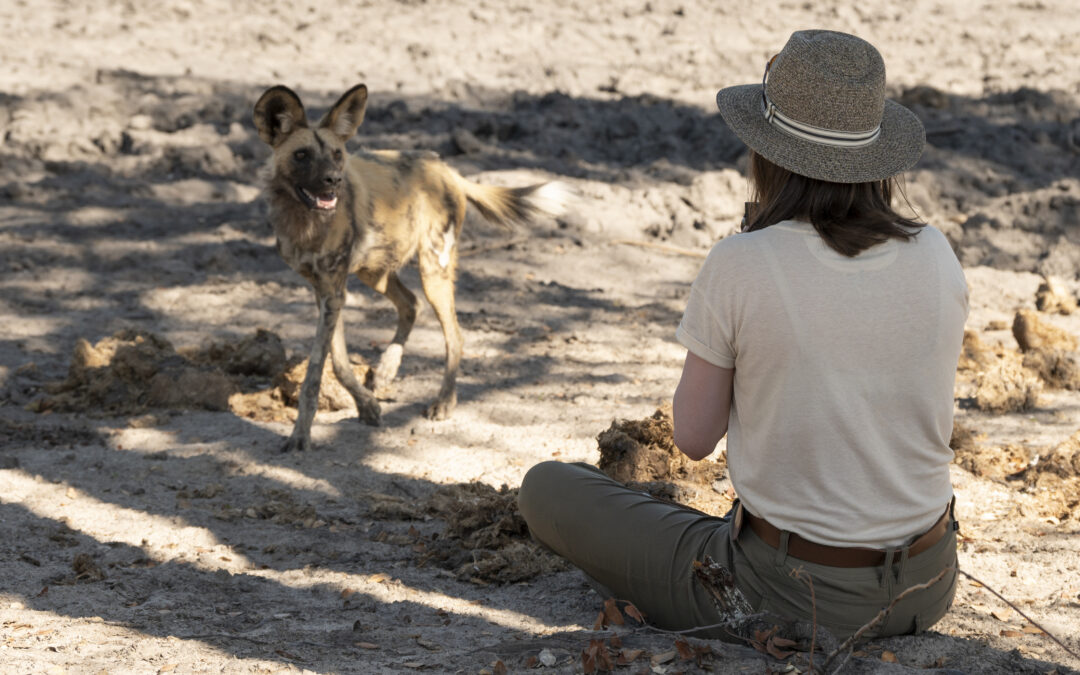
A safari guest has a close and personal experience with a wild dog. This guest is a very experienced safari-goer and followed all guide instructions. The Matriarch came to her, curious. There was no aggression.
An African safari is an adventure. It is your chance to see animals in their natural habitat. This makes all the difference. Animals on a safari are engaging. They eat, walk, play, fight, chase, run, and interact in a thousand different ways. This means that you can see the same animal every day, and every time, it is new and exciting. Natural animal behavior makes a huge difference.
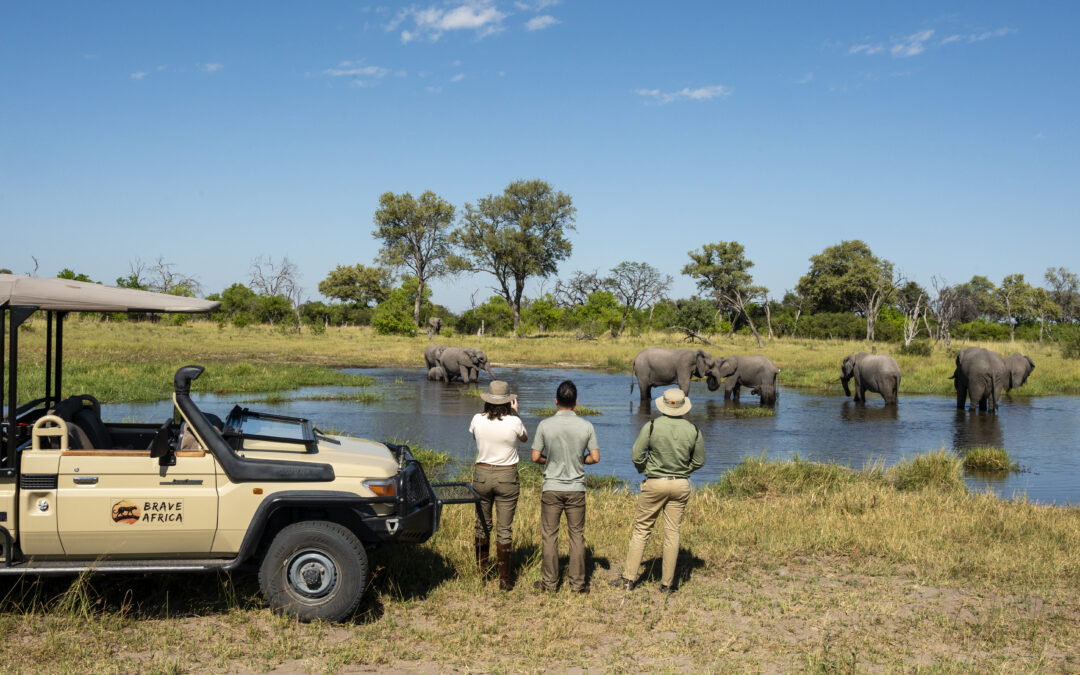
And then there’s the variety of wildlife. Yes, a zoo has all types of animals, but an African safari is better because the animals are not divided by fences and in human-created habitats. You can sit in your safari vehicle and watch elephants alongside hippos, impala, zebra, and wildebeest. And in the next second, you can find lions or wild dogs.
You never know what type of wildlife you’ll see on your African safari, but every day, every hour, it will be something new. Just make sure you choose an exceptional location for your African safari where wildlife is plentiful. Not all destinations are created equal.
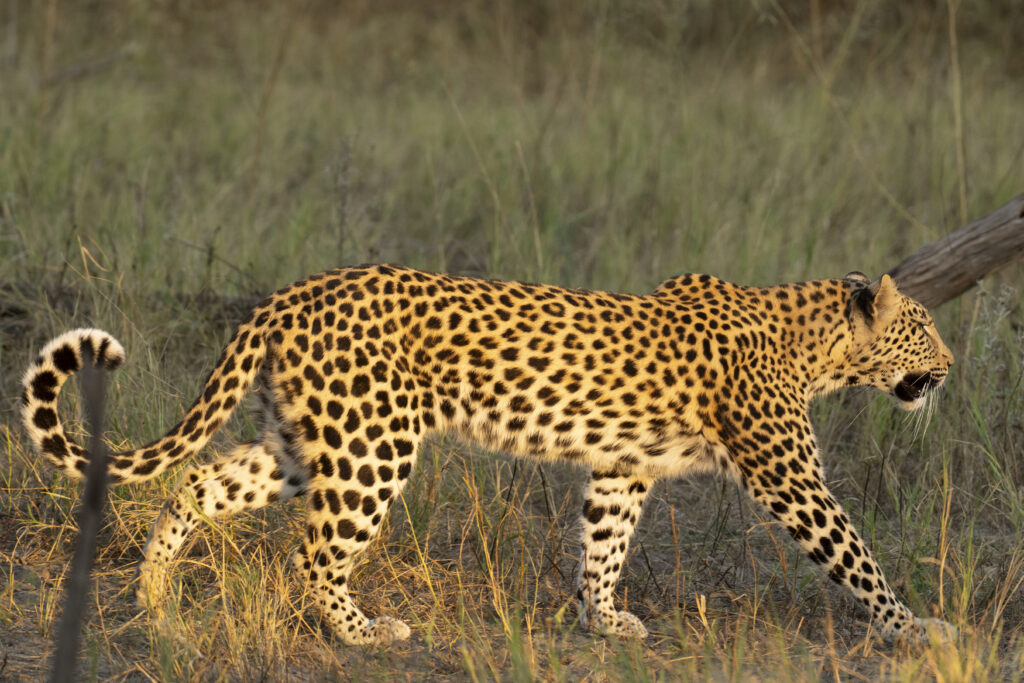
Botswana has almost double the elephants of ANY other country in Africa—over 130,000—along with 163 other species of mammals, including the usual suspects: lions, leopard, cheetah, wild dog, buffalo, giraffe, hippo, wildebeest, zebra, rhino, etc. The country is also home to more than 550 species of birds, including many rare and endangered species you’ll be hard-pressed to find anywhere else. And if you’re worried about going on a family safari with kids? Don’t be.
Nature Retreat
Beyond the wildlife, what makes an African safari worth it are the pristine and stunning landscapes. You will enjoy Mother Nature’s most impressive theater on a breathtaking scale. Explore vast swaths of wilderness where everything is raw, rugged, and stunning. Africa boasts a vibrant ecosystem with everything from dusty red deserts to lush swamplands, sweeping floodplains, expansive savannas, and vibrant forests. You’ll drive through rivers, explore lagoons, have lunch at elephant watering holes, hike rocky outcrops, and more.
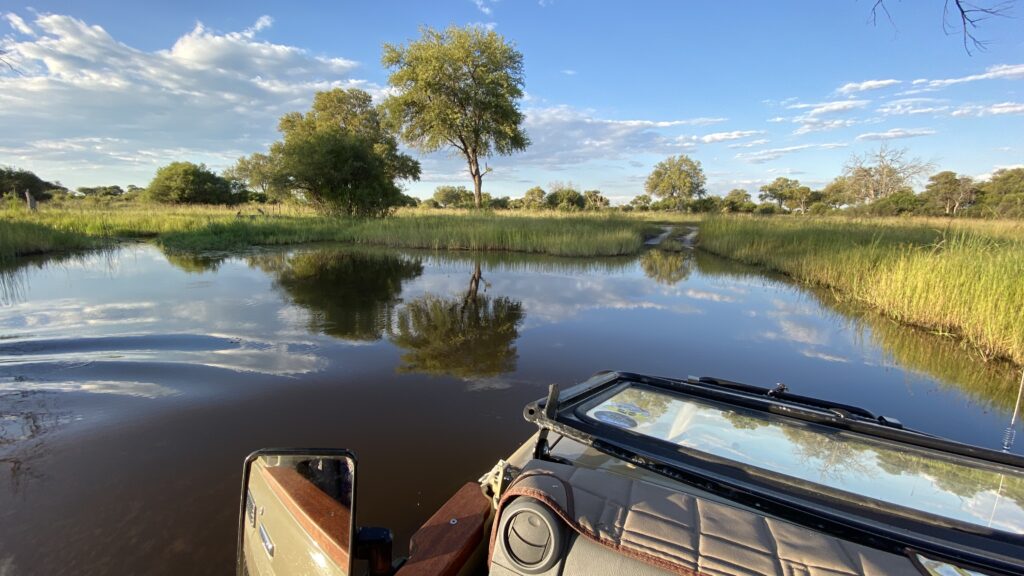
Brave Africa’s vehicles can handle almost any terrain, including water.
The landscapes on an African safari will enchant you as much as the wildlife. And the best part is that you will enjoy these gorgeous landscapes without worrying about crowds—if you go to the right safari locations. Regardless of where you choose to go on your African safari, we can almost guarantee you’ll be talking about the beauty of nature for years to come.
5 Tips to Ensure Your African Safari is Worth It!
If you want an African safari to change your life and be “the best trip you’ve ever taken,” not just any safari will do. You must ask the right questions and choose a safari worth the hype and the cost. We recommend giving yourself the largest budget possible, so you can pay for the experience, accommodations, and location that best fits your dreams.
And do your research! Reach out to travel agents who specialize in African safaris. Read all the blogs you can! Ask questions of friends, family, and acquaintances who have gone on safari. If you will pay for the cost of an African safari, make sure you get everything you want!
Here are five tips to consider to ensure your African safari is worth it!
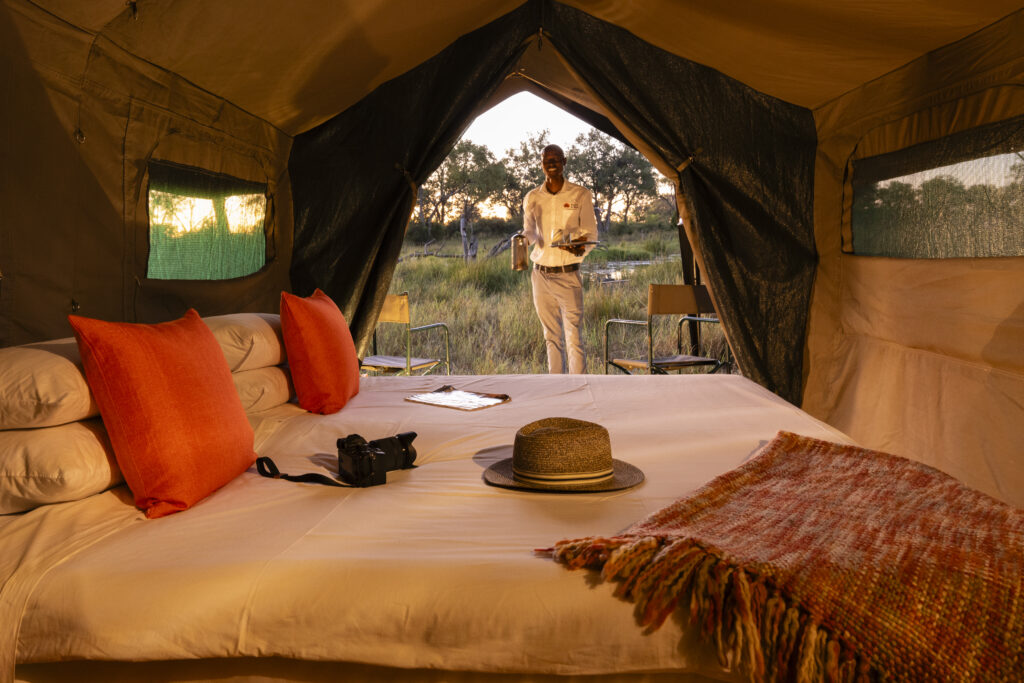
1. Choose the Right Location (Country and Region)
Forget about the name. You might have heard about Kruger and the Serengeti because they are well-known safari locations, but that does not automatically make them the best location for your safari. Lesser-known parks and locations can offer a far better experience with fewer crowds and more wildlife.
After all, animals don’t like to be around people, so popular is not always better. For example, Botswana’s Okavango Delta might be a lesser-known safari location, but the experience is superior to the crowded national parks in South Africa. In Botswana, you’re more likely to have untouched wilderness and wildlife not used to cars. In Botswana, you can also go off-road, experience walking safaris, night drives, water safaris, and so much more.
Do your research about all the different safari areas in Africa, and then choose the destination that best fits your needs and wants. And don’t forget to choose the right time for your safari! Not all seasons offer the same experience.
2. Pick the Best Safari Lodge or Camp for You
Whether or not your African safari is worth it will depend on the camp, lodge, or self-drive experience you choose. Do you have a tight budget that will limit where you stay, or are you willing and able to splurge for some luxury experiences? The bargain safari mindset might not give you the best experience.
An African safari is a once-in-a-lifetime experience for most people, so planning to do it right is essential. If you want a picture-perfect African safari that exceeds your expectations, you need to choose a safari lodge or safari camp that fits what you want.
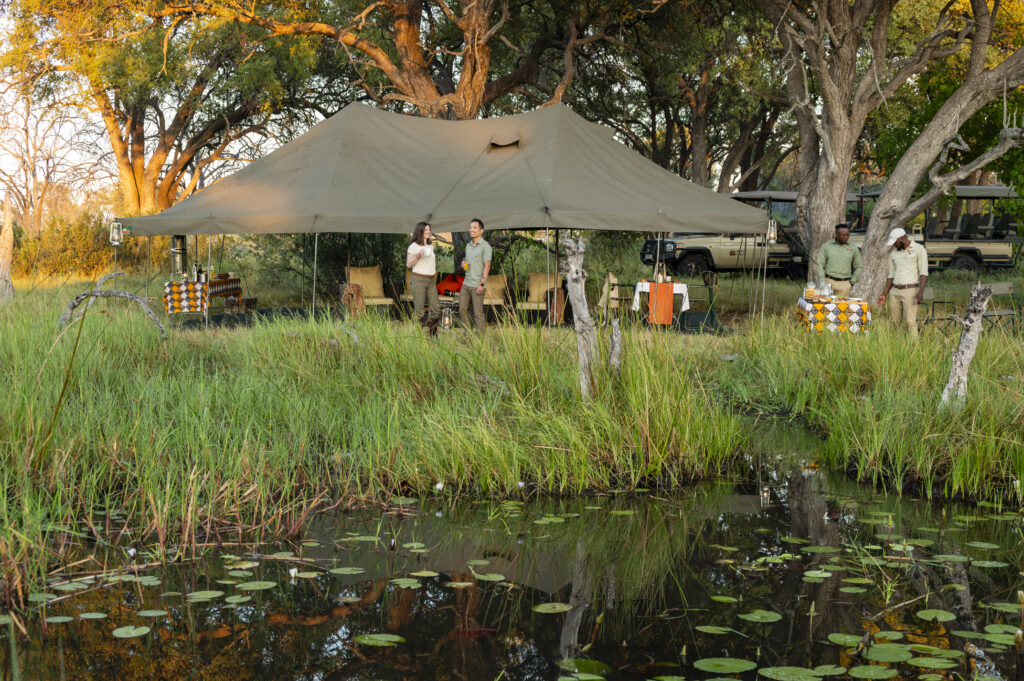
There are a few things to consider.
- What luxury amenities are essential to your happiness? Do you need flushing toilets? Is WiFi a must? Are you willing to sleep on a cot, or do you want mattresses? Are you comfortable in a luxury tent, or do you need a lodge? Do you need daily laundry services?
- What features does your safari vehicle offer? Beyond the camp, you will spend most of your time inside your game drive vehicle. How nice are their vehicles? Are they new? Do they have charging options, refrigeration, windows, open-air, etc.?
- How good are the staff? Unlike a big chain hotel, the staff on an African safari will greatly impact your experience. You’ll interact with the staff regularly, especially the guide and camp manager, so you want to choose a safari camp where the staff receive good reviews and are focused on customer service.
- How important is the food? Not all African safari operators have a permanent chef on staff to create inspired meals that you’ll love.
- Do you want to change operators between locations or stick with the same operator, guide, staff, the entire time? A mobile lodge like Brave Africa Safaris, offers a consistent experience for guests even while changing safari locations. A traditional lodge requires you to pay for transportation—usually via plane—to get to each new destination.
- Is caring for the environment important to you? There are many environmentally friendly operators who use solar power, reduce their plastic use, and give back to conservation efforts.
- What is their game drive experience like? We’ll discuss this more below, just remember the entire point of an African safari is to see the animals and get out on game drives. Don’t focus so much on the luxury of your tent that you neglect the most important element: their focus on wildlife viewing.
3. Ask About the Quality of Your Guides: It Is Essential
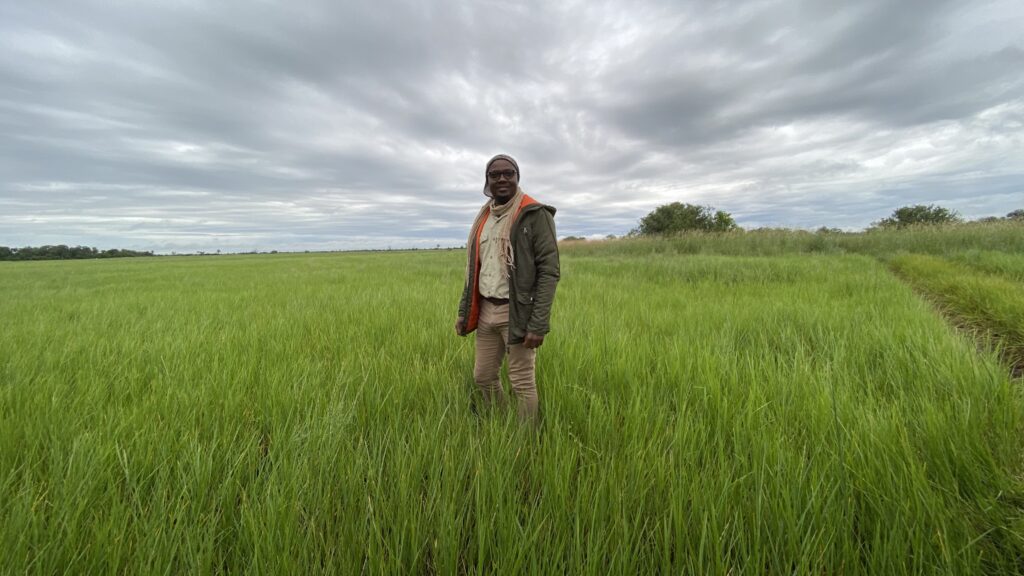
Tabona Wina is Brave Africa’s co-founder and head guide with over a decade of experience in the bush.
A safari guide is essential to a great experience. You might think that you can get away with a lower budget by self-driving, but we can guarantee that the money savings will NOT make your African safari worth it! A safari guide is an expert animal tracker, nature enthusiast, encyclopedia, and more! Their knowledge and passion for the African bush will enhance your African safari to be worth it.
Safari guies are responsible for:
- Finding the animals,
- Telling you about what you’re seeing (it’s the difference between watching a National Geographic special with the voiceover or completely silent),
- Getting you to the remote locations,
- Keeping you safe,
- And more.
You’ll spend nine to twelve hours a day with your safari guide. They will be one of your best friends on your trip and will 100% make your African safari worth it. Without a great safari guide, you might as well head to your local zoo and walk around yourself.
Read more about the importance of safari guiding here.
4. Focus on Game Drives: That’s What You’ve Paid Big Money For!
The ENTIRE point of going on an African safari is to go on game drives. Only when you’re in the safari vehicle and driving away from camp in search of animals are you experiencing the value of your safari! People often forget that the purpose of a safari is to offer the BEST wildlife experiences and not just luxury camping.
For example, when the Points Guy went on his safari in Tanzania, he ended up VERY disappointed because while he paid top dollar for a luxury camp, the game drives failed to deliver. This ruined his entire trip and made his African safari not worth it.
Creature comforts are only one piece of your safari. You won’t be happy if you unknowingly compromise your African safari experience by asking for WiFi and forgetting about game drives. On most traditional safaris, game drives happen in the morning and evening for three to four hours each. We created Brave Africa Safaris to maximize game drive time and opportunities. We can do all-day game drives if you want, which means, from sunrise until sunset, you are out on safari to see the animals.
The key is to ask where your money is going. Do you want your money going toward exclusive pools and alcohol or spending time with the animals?
5. Spend Enough Time on Your African Safari
Plan enough time for your African safari if you want it to be worth it. The travel and cost might be too high if you can only spend three to four days on safari. While even a day is amazing on safari, the extended time out in the bush makes the biggest difference.
Since every single day and hour is unique on an African safari, the more time you have to explore and see what the wildlife has to offer, the better. Three days is barely enough time to taste what an African safari is truly like. Instead, we recommend planning at least seven days and six nights on safari. This will give you enough time to truly immerse yourself in Mother Nature.
Remember, National Geographic documentaries are filmed over months. Their photographers spend weeks at a time in the bush to get that once-in-a-lifetime shot. You can’t expect to go out in a few days and see it all. Check out our Magic of The Okavango Safari for 9 nights if you want to maximize your experience.
Final Thoughts: Is an African Safari Worth It?
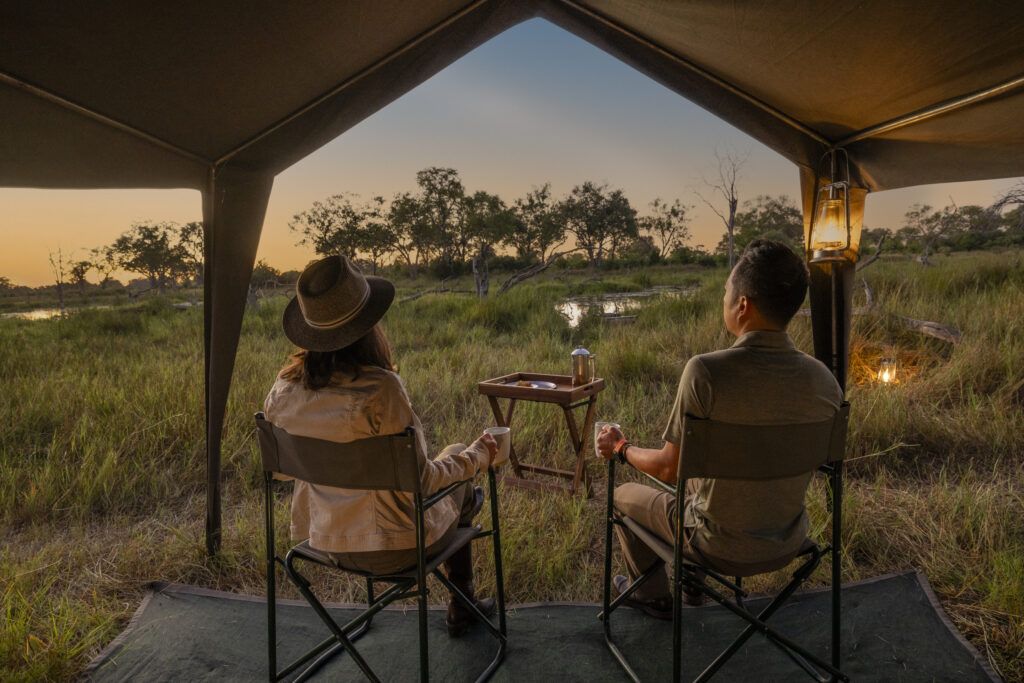
At the end of the day, whether or not an African safari is worth it is up to you! Only you can decide if the experience is something you will enjoy. Just do your research before you plan your trip. Since an African safari can be expensive, you do not want to make the wrong decisions and regret it.
Reach out to us or an experienced travel agent to get all your questions answered. The only way an African safari is not worth it is if you book the wrong trip for your expectations.
Sep 27, 2024 | Brave Africa Safari
Every day on safari is unique. You’ll have new experiences and see things from a new perspective every single time you’re out in the Botswana wilderness. Even when you remain at the same camp for a few days, no safari drive will be the same and your daily safari schedule will always change. From sweeping savannahs to lush marshlands, dense forests, and arid plains, there’s always new scenery, not to mention new animals by the thousands.
No matter which Brave Africa safari package you choose—9 Nights, 6 Nights, or 3 Nights—you’ll enjoy the same experience.
What Does a Day on Safari Look Like?
There are no guarantees on a safari except to say that we’ll do our best to ensure you get the MOST time possible out on game drives and with the animals. To make this happen, you can expect some long adventurous days on safari, but believe us—they are completely worth it.
Here’s what you can expect from morning until night every day on safari, and though your experience may vary, we’ll try to stick as close to this daily safari schedule as possible.
5:30 AM – Early Wakeup & Light Breakfast
A day on safari starts early. Just before sunrise, around 5:30 am, expect your wakeup call. Our staff will stop by your tent to make sure you’re up for the day, normally calling out “Good Morning!” just outside your tent.
We recommend laying out your clothes the night before—with plenty of layers for the cold mornings—so you can get ready quickly.
Once you’re ready, you’ll head to the dining area where our staff will have a light breakfast waiting for you. There will be coffee, tea, juice, muffins, cereal, oatmeal over the fire, and cookies to tide you over. But eat fast…the animals are waiting.
6:00 AM – Start Your Game Drive
Our all-day game drive safaris are exactly what they sound like—an all-day experience. You’ll be out on the game drive from 6:00 am until 7:00 pm with a few short breaks for snacks, drinks, and lunch out in the bush. This is different from a traditional safari where you are only out on a game drive from 6 – 9 am and from 4 – 7 pm, and it means you get the most out of your African safari experience.
We try to start out either slightly before the first light or right after sunrise for your game drive. These cool morning hours are some of the best chances to spot wildlife while they’re active. Big cats and other predators love these early hours for some last-minute hunting or finishing off their kill from the night before.
Morning is also a great time for elephants, antelope, buffalo, giraffes, and more to start grazing and moving to water holes to quench their thirst. Wild dogs also tend to be most active at this time before the heat of the day makes it too exhausting to hunt.
Your guide will drive you around in this gorgeous early morning light (some of the best lighting for pictures) and give you a chance to see as much as you can see. The dawn offers excellent conditions for wildlife viewing, including birding.
9:00 AM – Morning Snack
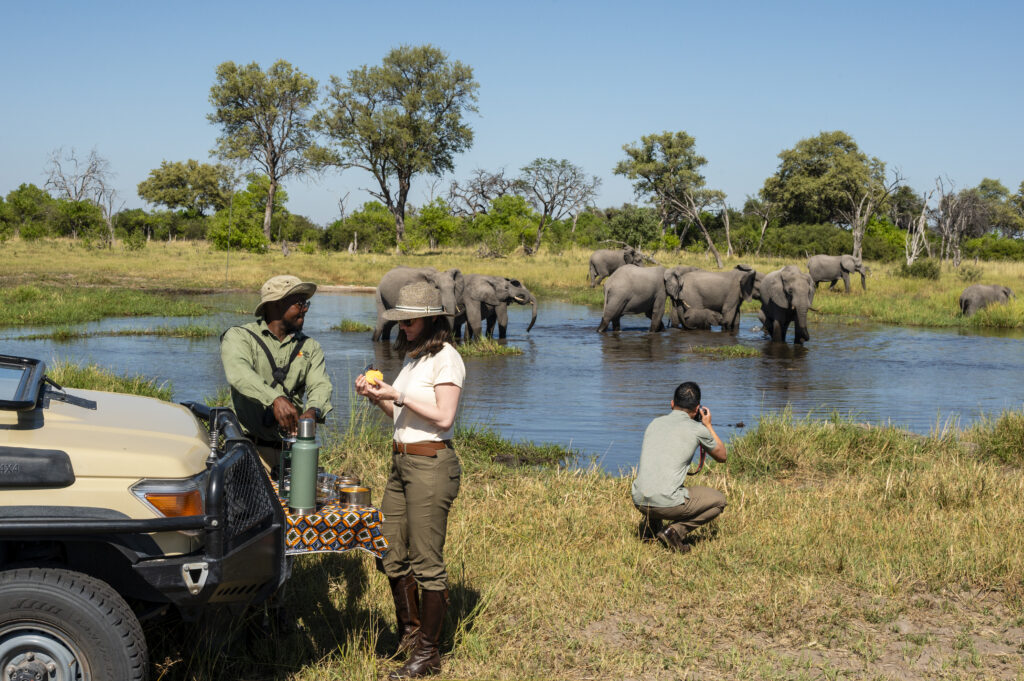
Depending on how your safari drive is going and how everyone in your car is feeling and what you have decided your daily safari schedule will be, you’ll stop for a short break in the bush for additional coffee, tea, juice, and snacks. If you’re seeing/experiencing something spectacular, there’s no schedule, and brunch can be completely skipped or eaten later.
This is just a tentative break out in the bush before you’re ready to get back to it and continue your great day on safari until lunch.
12:00 PM – Lunch in the Bush
At Brave Africa, we believe in setting your daily safari schedule. You can stay out on your safari drive all day long or you can head back to camp for lunch and a siesta. It is entirely up to you!
Instead of being back at camp for a nap, wondering what’s happening out in the bush, we can keep driving through lunch. This allows us to range far from camp, giving you more opportunities to see something spectacular in the Botswana wilderness. It also means you get to choose when and where you eat lunch.
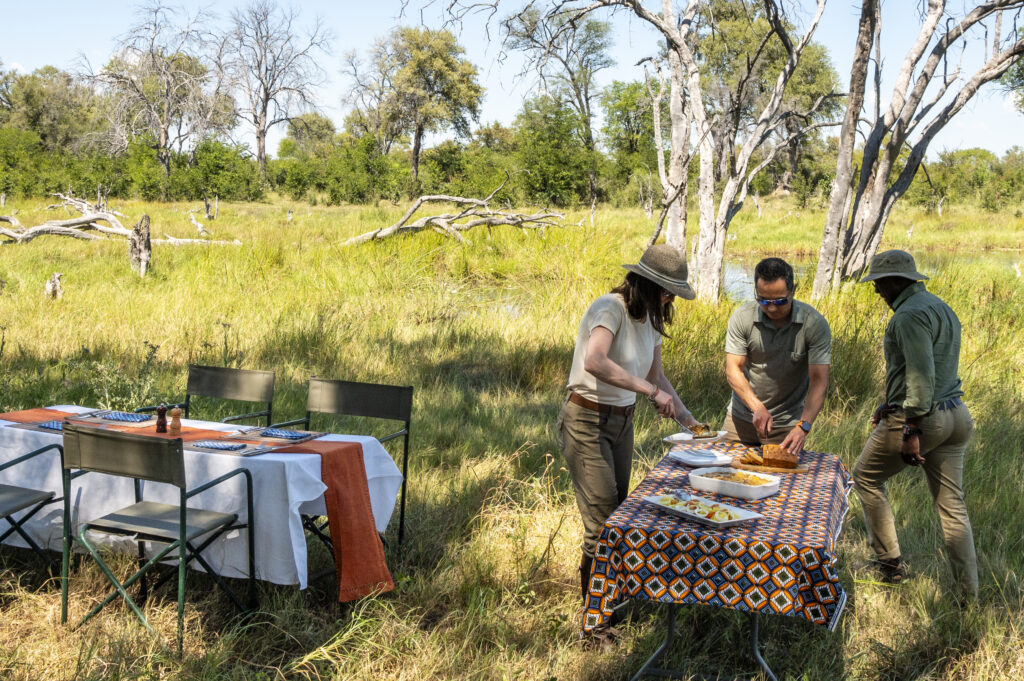
Your guide will find a nice shady spot with nearby animals to enjoy your lunch. Our staff will have a cold lunch and all the fixings ready to go. With a table and chairs along, you’ll quickly set up for a delicious lunch in the bush. Lunch is a full meal and includes alcoholic drinks and enough food that you’ll feel completely stuffed. Spend as long as you want enjoying the great food and even better company before packing up and heading back out on your game drive.
Or you can head back to camp in the afternoon and spend a few hours resting, relaxing, napping, and eating a casual lunch. It is entirely up to you and your dream day on safari.
2:00 PM – Afternoon Game Drive Continued
After lunch, you’re back out on your game drive. As the afternoon carries on, you’ll notice animals start to become more active again as the weather cools down. During these hours, you’ll continue to explore the wilds to see as much as you can see.
Your guide is an expert tracker and will follow footprints, listen to animal calls, and watch animal behavior to discover hidden gems you could never find on your own. He’ll take you to the best locations and follow the call of the wild, so you have the best chance possible to make a remarkable sighting that you’ll be talking about for years.
6:00 PM – Sundowner
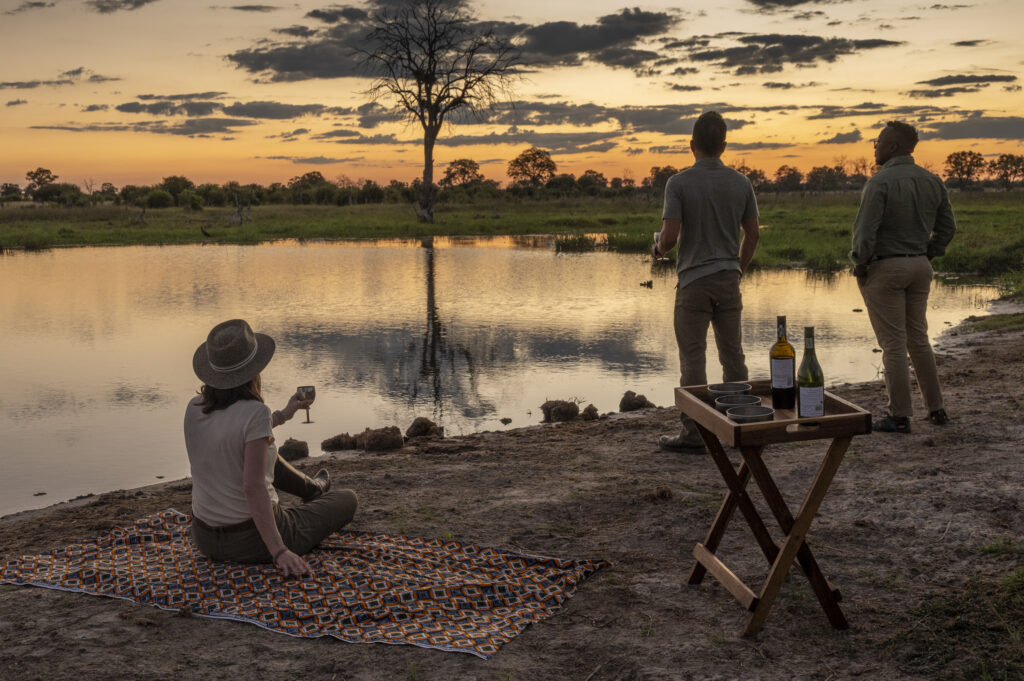
A favorite safari tradition is the afternoon “sundowner.” During this short break, your guide will find a great view of the setting sun and a scenic outlook where you can sit for a little while to enjoy some snacks and drinks before you finish your game drive and close out your day on safari to head back to camp.
7:00 PM – Arrive at Camp
You’ll arrive back at camp right around sundown and have the chance to wash off the dust of the day and get ready for dinner. If we’re driving around a private concession or conservancy, you may be able to stay out after dark and use a spotlight to look for nocturnal animals, but most often, you’re pretty exhausted by this point and we head back to camp for dinner.
7:30 PM – Dinner
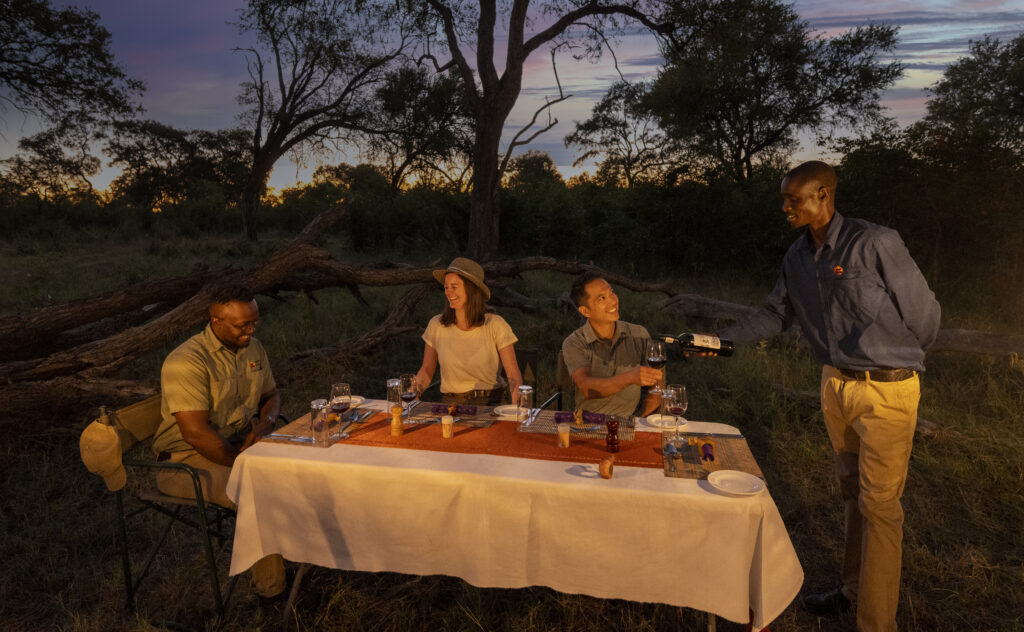
You might not think you’ll be hungry after such a filling lunch and so many snack breaks, but you’ll probably be more than ready to enjoy dinner near the fire pit. Our dinners are a multi-course affair accompanied by your drink of choice. We try to make meals that pay homage to local and continental cuisine, and our chef will meet any dietary restrictions you might have.
9:00 PM – Bed Time
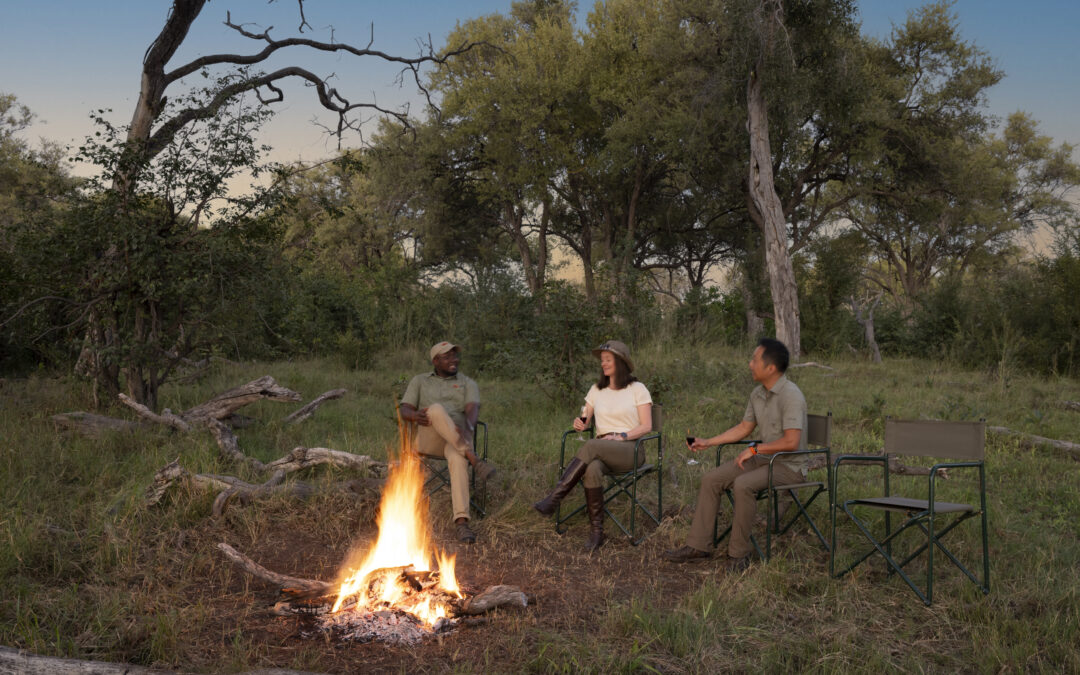
After dinner, you’re welcome to sit around the fire and gaze at the star-speckled beauty of the night sky while you reminisce on your day’s experiences, but you’ll probably be exhausted and ready to retire to your tent for a hot bucket shower and a good night’s rest. After all, the sooner you head to bed, the more quickly the next day arrives and you get to go out on another day on safari!
Traditional Daily Safari Schedule
There may be days when your car decides not to go out on an all-day adventure, maybe you’re tired and want a little more time at camp. If that’s the case, your safari schedule will look more like the traditional safari. Instead of an all-day game drive from 6:00 am until 7:00 pm, our traditional safari will take you back to camp for a hot lunch and time to rest.
- 5:30 AM: Wakeup call and light breakfast
- 6:00 AM – 9:00 AM: Morning game drive
- 9:15 AM: Relaxation at camp
- 12:00 PM: Hot lunch at camp
- 1:30 PM: More relaxing at camp
- 3:00 PM: Afternoon tea and prep for evening game drive
- 4:00 PM – 7:00 PM: Afternoon game drive with sundowner
- 7:30 PM: Dinner
- 9:00 PM: Bedtime
The Day You Arrive on Safari
What about the day you arrive? How does your day on safari work when you don’t arrive until the afternoon?
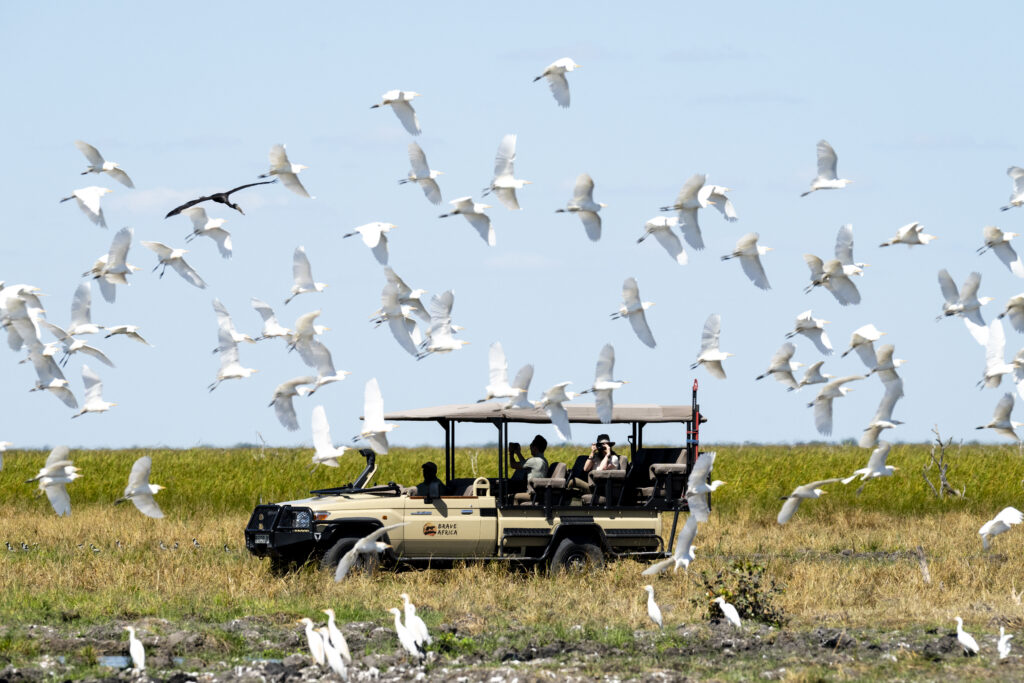
Everyone’s daily safari schedule will be slightly different depending on when your plane lands at the dirt airstrip near your camp. This schedule is not up to us and is set up by your bush flight—they work to accommodate guests at all camps and locations. You’ll typically arrive sometime after lunch and our guide will be at the airstrip to pick you up. We’ll throw your bags in the safari vehicle and immediately head out on an afternoon game drive.
If you’ve been traveling for days to get to Botswana, we know you want to jump right in, so we won’t delay. We’ll try to spend as much time as possible out in the bush before heading back to camp for dinner. Remember to check out our Getting Here page for insight on traveling to and from Brave Africa.
The Day You Leave Safari
We’ll know your schedule for flying out the day before you leave and we’ll talk with you about your plans that night. Most often, flights are scheduled out in the early afternoon. This means that you’ll have plenty of time in the morning for a final game drive.
Keeping the same early schedule, we’ll bring your bags along with us as we head out on our final great adventure safari together. You’ll have one last opportunity to experience the best that Botswana has to offer before we drive you to the nearest airstrip in time for your bush flight. Don’t worry; our guide has a radio that can be contacted in case anything changes with your flight plans. We won’t let you miss your flight or force you to sit at the airstrip when your plane is delayed. Our goal is to ensure your Brave Africa experience is top-notch until we say goodbye.